
Twenty years ago I penned a novel that I thought would get me in trouble. Instead it has brought me a tiny slice of fame. Here’s how it happened:
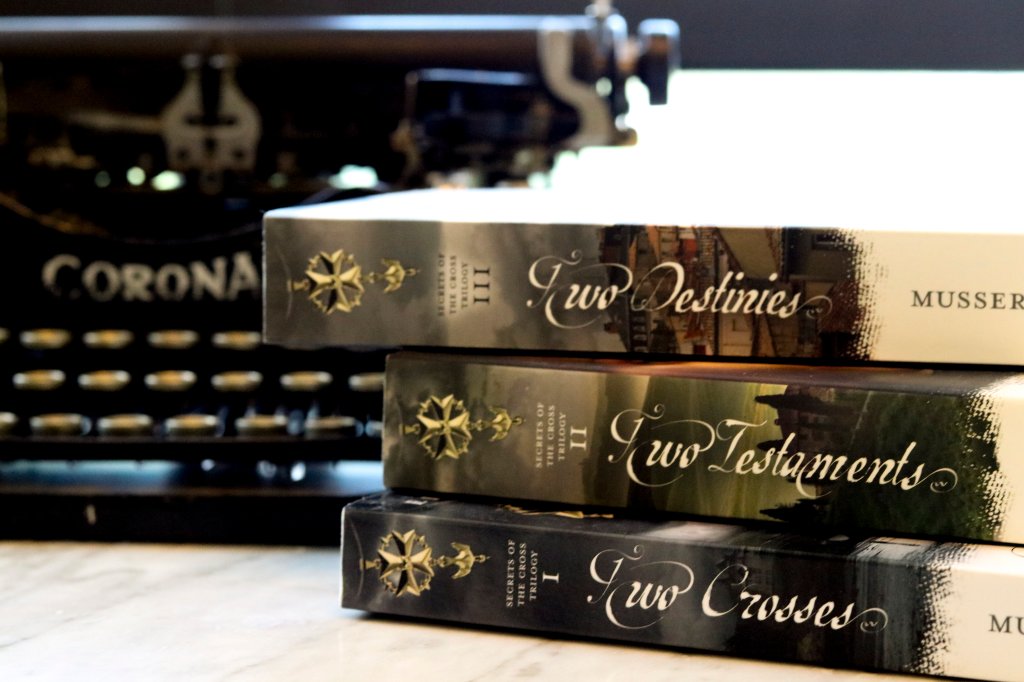
I’d finished writing a trilogy about France and Algeria and knew my next novel needed to be about my hometown of Atlanta. I’d heard the adage, “Write what you know about.” Well, I’d pretty much exhausted my knowledge of France and certainly of Algeria, so I turned homeward.
But it’s hard to write about your hometown. The first novels were fun to write, but The Swan House was downright hard because The Swan House is about me. I had to look back and consider the things that had shaped me.
My inspiration for the beginning of the novel came from a little-known fact in history, but one that was vastly personal to many Atlantans: the Orly plane crash in June of 1962 which claimed the lives of over 100 prominent Atlantans.
But there were many other experiences that influenced me: my years attending a private school, 2nd through 12th grades; the summer missions’ trips I took with my church youth group from 8th through 12th grades; watching my mother bring busloads of inner city children to skate at the gym at our Buckhead church; serving up spaghetti meals to the needy in the basement of a church in the Grant Park neighborhood, alongside Louise Adamson, a home missionary with the Baptist Convention who worked in the inner city of Atlanta; the African American woman who worked for my family during my growing up years. I loved Mary. She was like one of our family, and yet, did I really know anything about her life outside of our house?
I also found inspiration in my family history. I had a great uncle on my mom’s side whose first name was Swan as well as a few cousins. And my little brother, Glenn, would have been Mary Swan were he a girl. So I had the name of my main character. And I wanted to tie it in with a beautiful Italian mansion that was “just down the street” a bit from my house, the real Swan House.

But mostly The Swan House is about a wealthy young girl, who is confronted with tragedy and is asking lots of questions about life. I realize now that God was preparing me for my future work of missionary and writer during my teenage years. Much of my high school and college questions revolved around how to reconcile my wealthy upbringing with my deep faith. How would Jesus act? Although I had no idea I’d be writing a book about this at the time, the ideas that sparked The Swan House actually were birthed way back when Mary rocked me in her lap and when Mom and I serve up spaghetti meals beside Louise while I listened, enthralled, as Louise talked about what her days were like.
The Swan House is about contrasts and there were lots of contrasts in my life. After my Freshman year at Vanderbilt University, I worked as a waitress at the Swan Coach House by day and partied as an Atlanta Debutante by night. After my Sophomore year, I did an internship in the inner city of Atlanta at Stewart Baptist Center.
So my first taste of cross-cultural experience came long before I crossed the ocean. It came when I crossed Atlanta. Right after my internship, I went to Aix-en Provence, France to study for a semester. Wow, that was another eye-opener, another huge cultural change.
The questions I asked myself as a teenager are still questions I need to ask today. How does wealth fit in with my faith and what Jesus taught? What about wealth and poverty? What should I do with my education and privilege?
Where am I prejudiced? Is it race, religion, or just in grown patterns of prejudice that I don’t even recognize. And when I do, what am I going to do about it—not pointing the finger, but getting the log out of my own eye. These questions affect me in France as well as in Atlanta, Georgia.
All these life experiences contributed to my writing The Swan House. But I thought that when I told the truth about prejudice and racism, my white-privileged neighborhood would hate me for it.
Instead, they blessed me.
I’ll never forget the woman who came up to me with tears in her eyes at a bookstore signing. She held in her hands a Polaroid photo of her African American maid. She whispered through tears, “You understand. I loved her. She was my family.”
Novels can tell the truth. When I showed the truth of racism and prejudice, of white privilege (long before I’d ever heard that term), people listened and embraced the story.
And they still do.
Jesus told stories that spoke simple truths that changed people’s hearts. My prayer in these difficult times is that we will once again be moved by the truth, admit our prejudice, and ask the Lord to change us, to change me, before I worry too much about changing anybody else.
Moved and heart-broken by the events going on in the US, I asked my publisher to put The Swan House on sale for the month of July. I hope you’ll enjoy reading or revisiting this story which seems so appropriate ‘for such a time as this’.
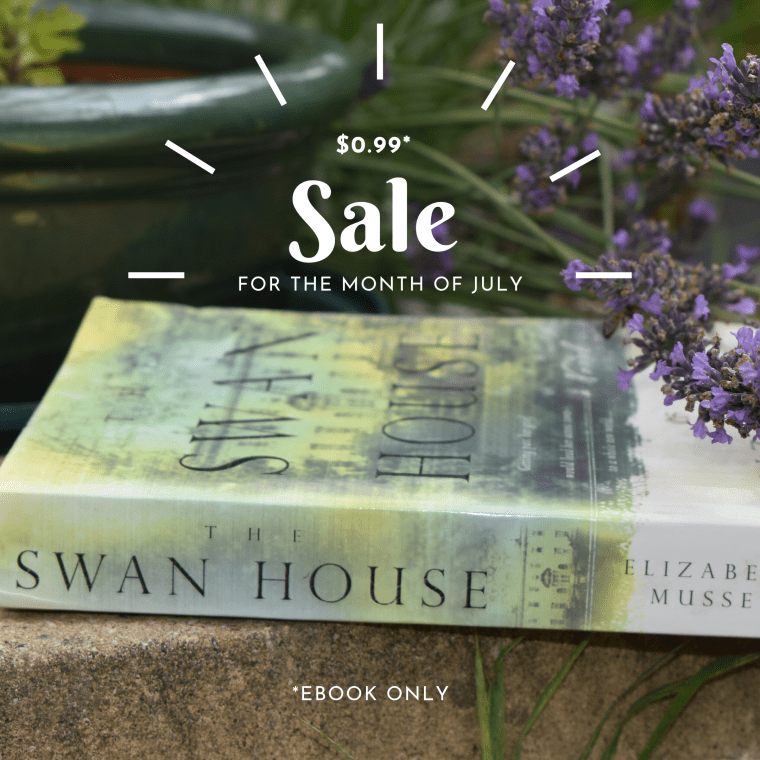
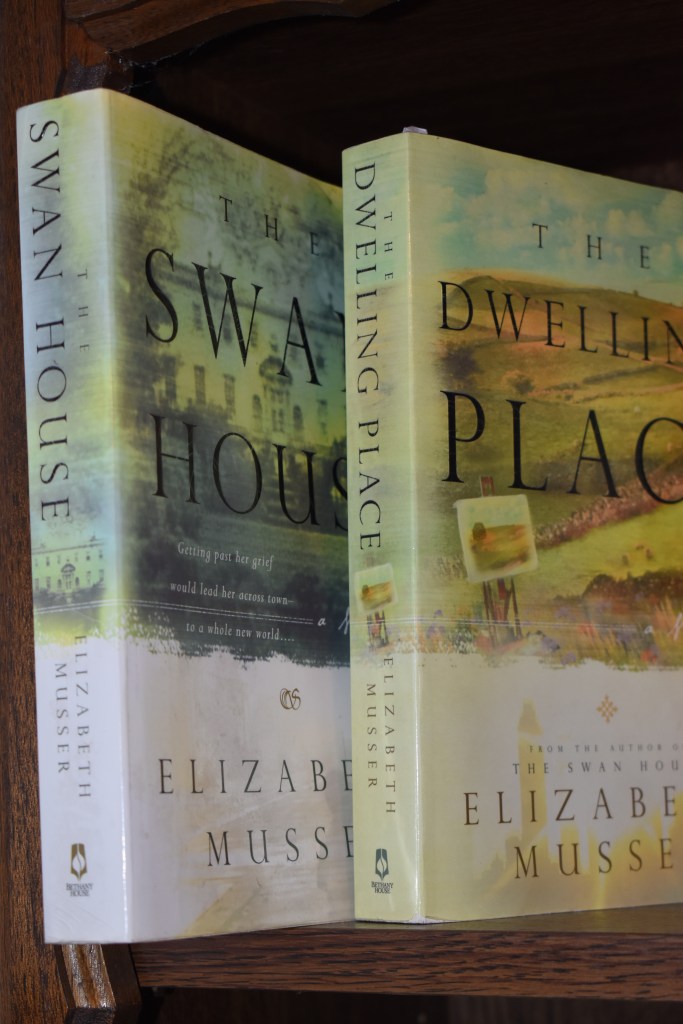
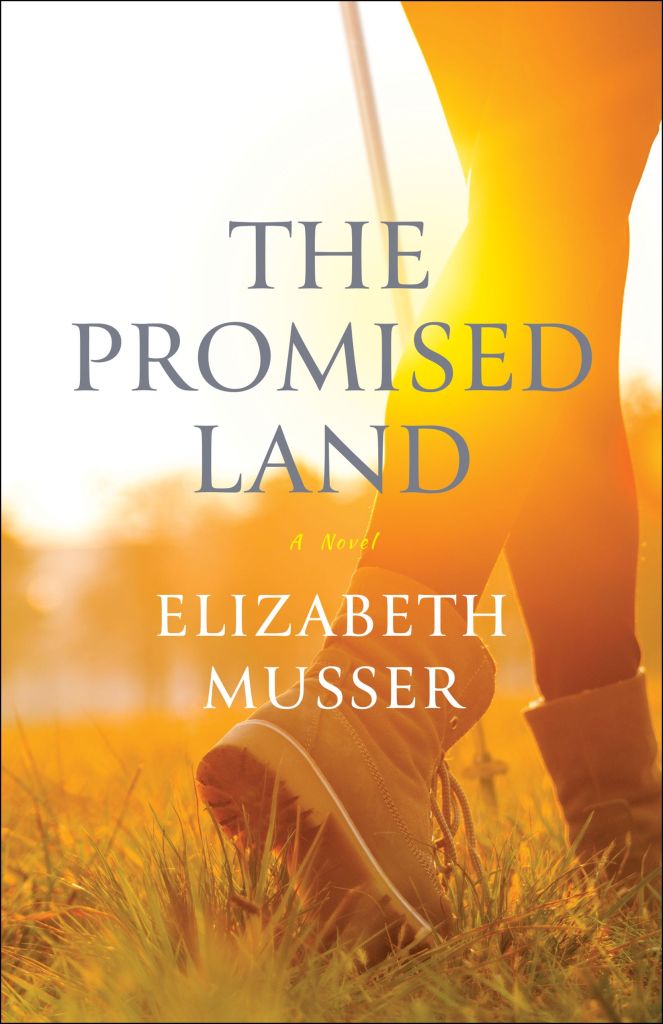
And if you sign up for my reader Newsletter, coming out later this month, you’ll get to hear how characters in my new novel, The Promised Land, were first introduced in The Swan House, and then in The Dwelling Place. You’ll also get to read previously unpublished chapters that take place between The Swan House and The Dwelling Place, starting on the night that Martin Luther King, Jr. was assassinated.
From my Bible reading this morning:
“Therefore if you have any encouragement from being united with Christ, if any comfort from his love, if any common sharing in the Spirit, if any tenderness and compassion, 2 then make my joy complete by being like-minded, having the same love, being one in spirit and of one mind. 3 Do nothing out of selfish ambition or vain conceit. Rather, in humility value others above yourselves, 4 not looking to your own interests but each of you to the interests of the others.” Philippians 2:1-4
May it be so, dear Lord. May it be so.
ELIZABETH MUSSER writes ‘entertainment with a soul’ from her writing chalet—tool shed—outside Lyon, France. Find more about Elizabeth’s novels at www.elizabethmusser.com and on Facebook, Instagram, Twitter, and her blog.

 Elizabeth Musser
Such a wonderful testimony of a life lived for Christ. So thankful mama Jean introduced us. Praying for you always Elizabeth. How can I get a signed copy of The Promised Land? Thank you. Blessings. Tricia.
LikeLiked by 1 person
Thank you, Elizabeth! The Lord has used you and your work for our good and His glory!
Pat Reynolds
LikeLiked by 1 person