
Welcome to this Extra Goodies Page for the 25th Anniversary Edition of The Swan House!
What you’ll find here:
*My first inspiration for the novel
*A photo of the real life Miss Abigail
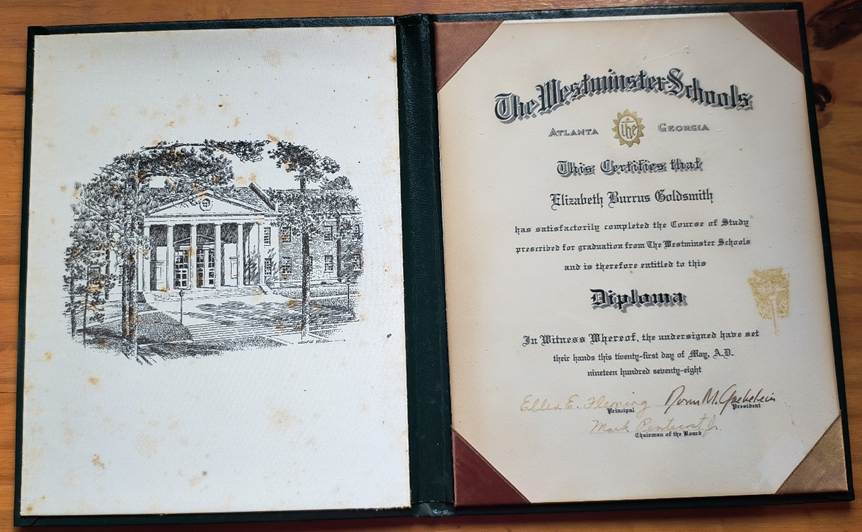
*Photos of my Mardi Gras days at The Westminster Schools
*Photos and paintings of The Swan House
*Photos from my many signings throughout the years at The Swan Coach House
*Photos of many of the sites mentioned in the novel
*Join Mary Swan and Rachel as they listen to Jean-Pierre Rampal playing Handel’s Sonata in B Minor in Chapter 2
*Scenes that were deleted in the new Edition
The first inspiration for this novel came when my beloved grandmother took me as a young girl to the Memorial Arts Museum. I was heartbroken to see a stone-engraved list of names of Atlantans who perished in a plane crash. Over the years, the tragedy continued to haunt and inspire me.
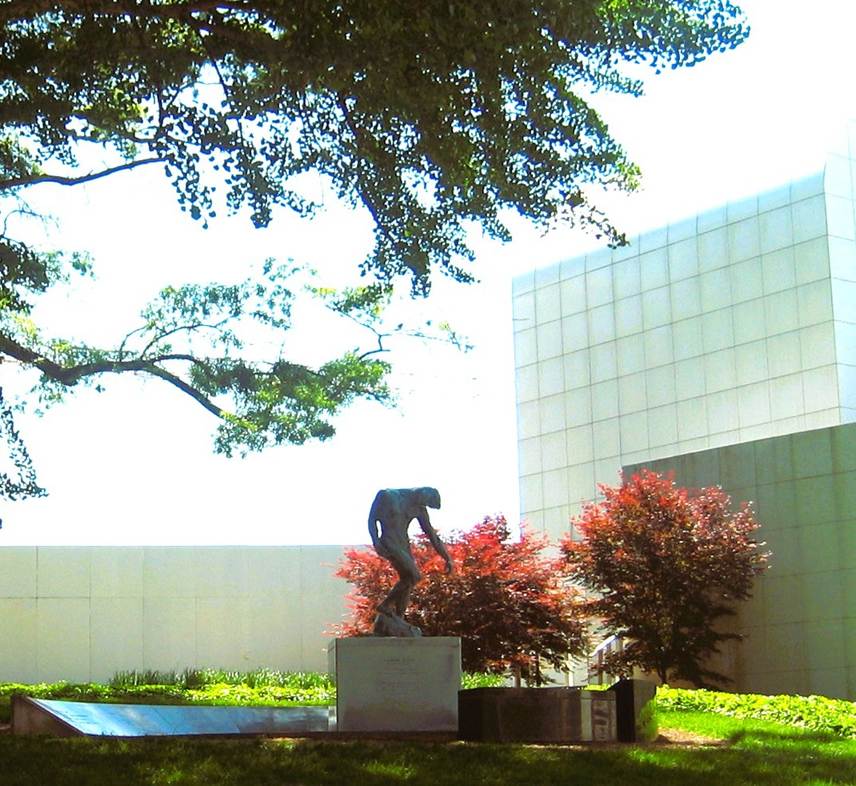
This story begins with that tragic event, but my inspiration also came from my upbringing in an affluent neighborhood and the struggles I had as I tried to understand my faith in Christ within the context of wealth and poverty and prejudice.
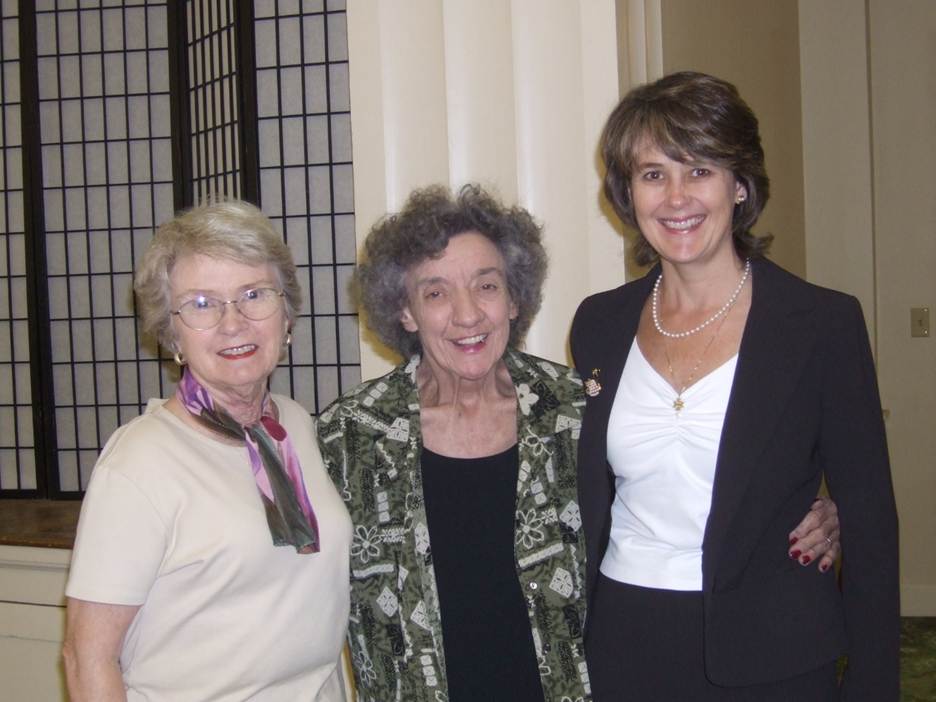
She was quite an amazing woman.
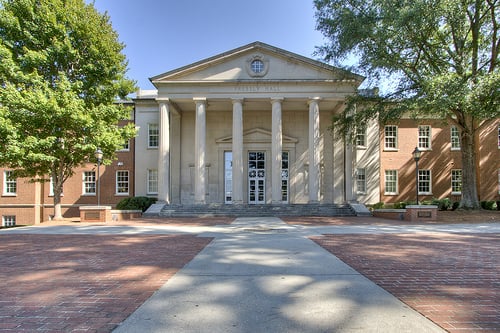
We were jogging now, I with great difficulty, and had reached the administration building of Wellington. It housed all the offices on the main floor, as well as the assembly hall, with the art classrooms and the drama rooms upstairs. Normally stately looking, with its red brick and thick white columns, the building struck me as spooky at midnight. Or maybe it was just a combination of Mr. Poe’s influence and my overactive imagination that made the fluted columns look like strange, sturdy ghosts, ready for some ghoulish battle. Behind the administration building was a large open terrace, with immaculate gardens surrounding a bronze statue of the founder of the school, Mr. Augustus Parks Emerson Wellington. We called him APE for short.
“There’s the ape-man,” Rachel giggled. “You look in his mouth. I’ll check his hands.”
The APE had been sculpted by one of Atlanta’s finest sculptors, and everyone who had known Mr. Wellington said it looked just like him—he was long since dead. The girls at Wellington found great merriment in the way his mouth was open and you could literally put your hand, well, at least three fingers, inside. Which is precisely what I did. But there was nothing there.
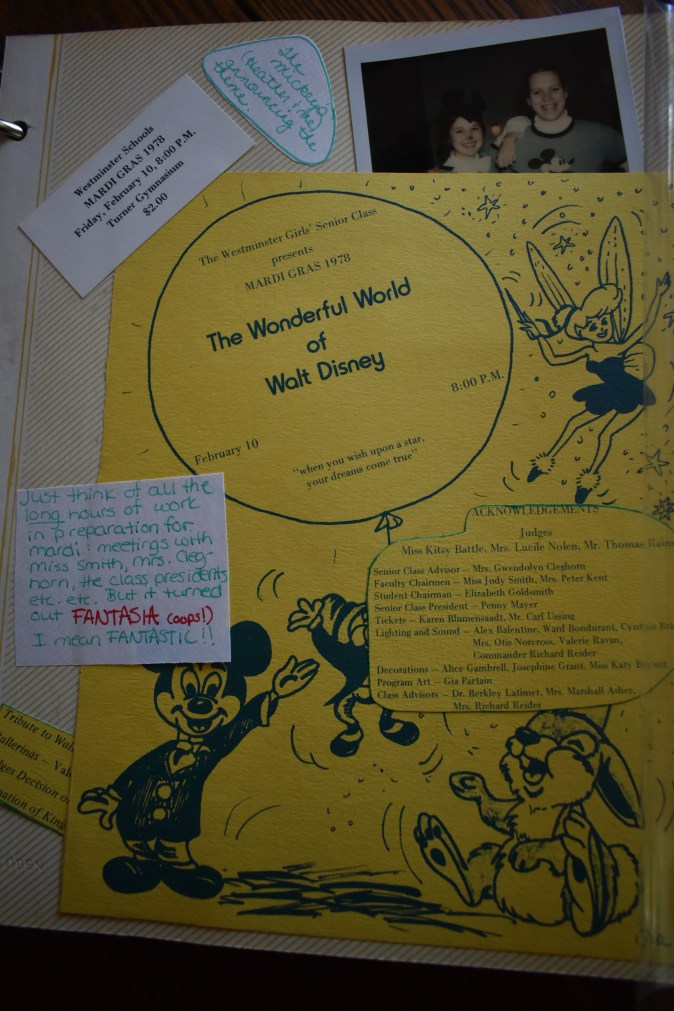
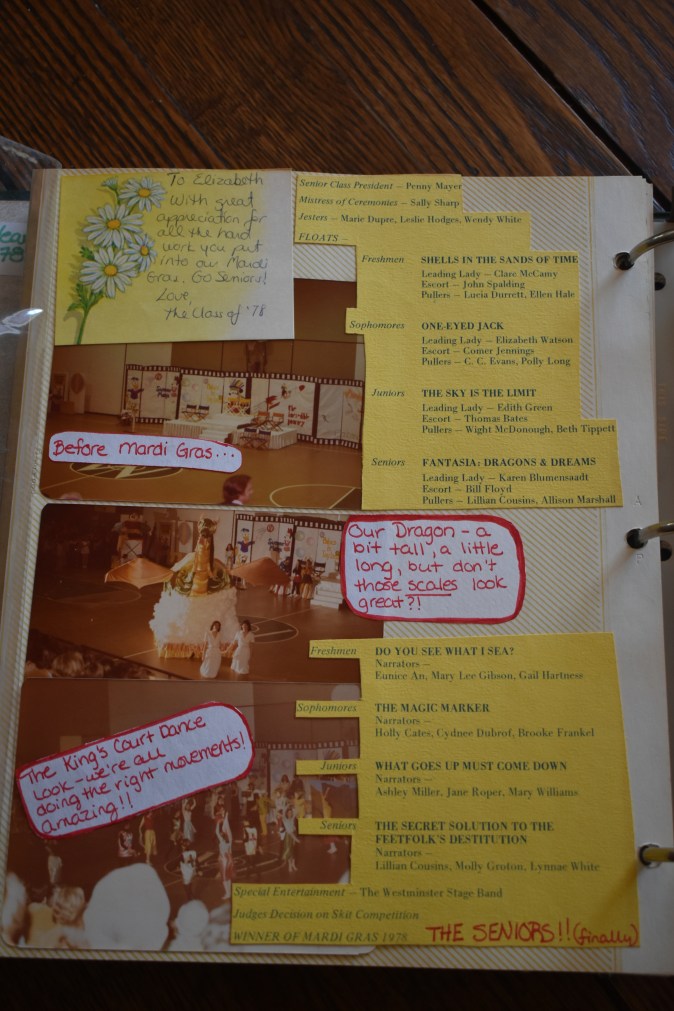
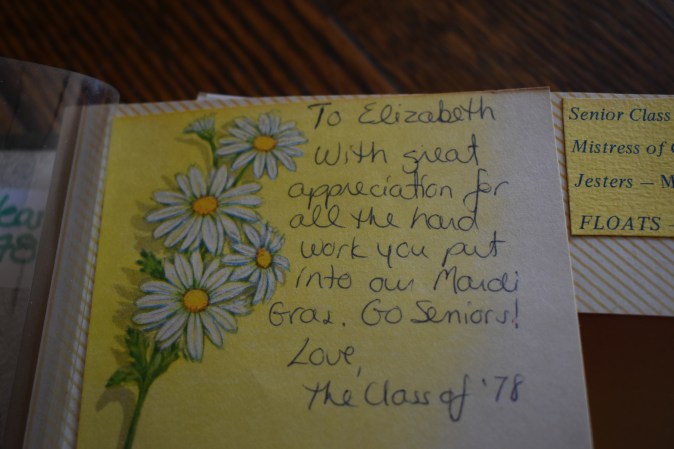
The events of Mardi Gras in The Swan House are very similar to the wonderful Mardi Gras celebrations at my high school, where I wrote the skits for my class each year along with two other wonderful writer classmates.
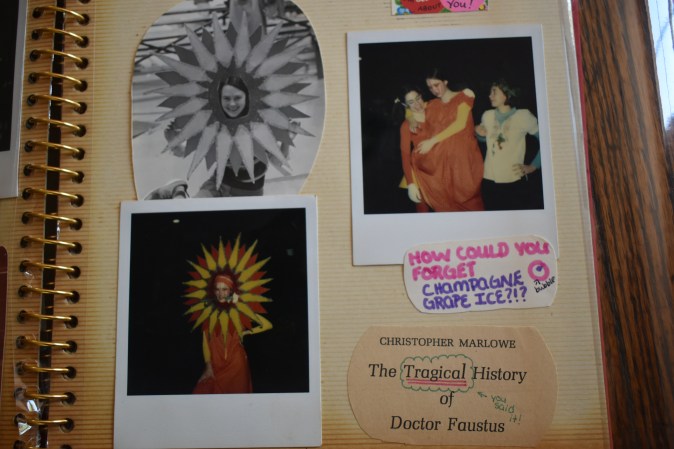
Above-a page from my scrapbook. Mardi Gras-1977-My Junior Year at Westminster. The theme was Baskin Robbins Ice Cream. We Juniors chose a new (but actual) flavor, Champagne Grape Ice, I wrote the skit about it, and then oh, la, la, the faculty got all upset about the use of Champagne in a skit with under-age kids. I had to rewrite the whole skit so that no one drank champagne, we just ‘bubbled like champagne.’ Little did I know that I’d be rewriting scenes in one of my novels years later because of the same issue!
And of course, the real Swan House itself was a huge inspiration for the novel.
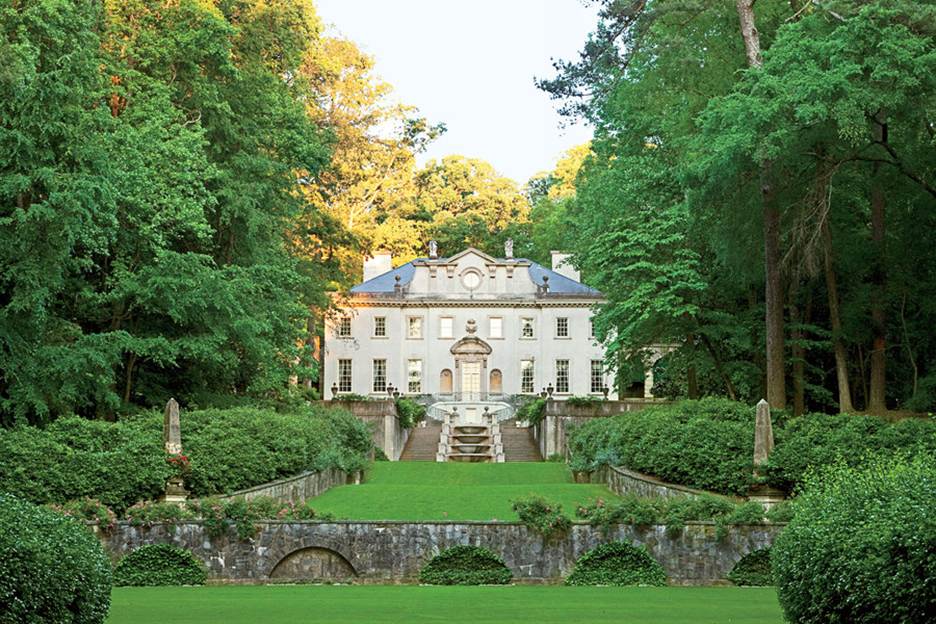
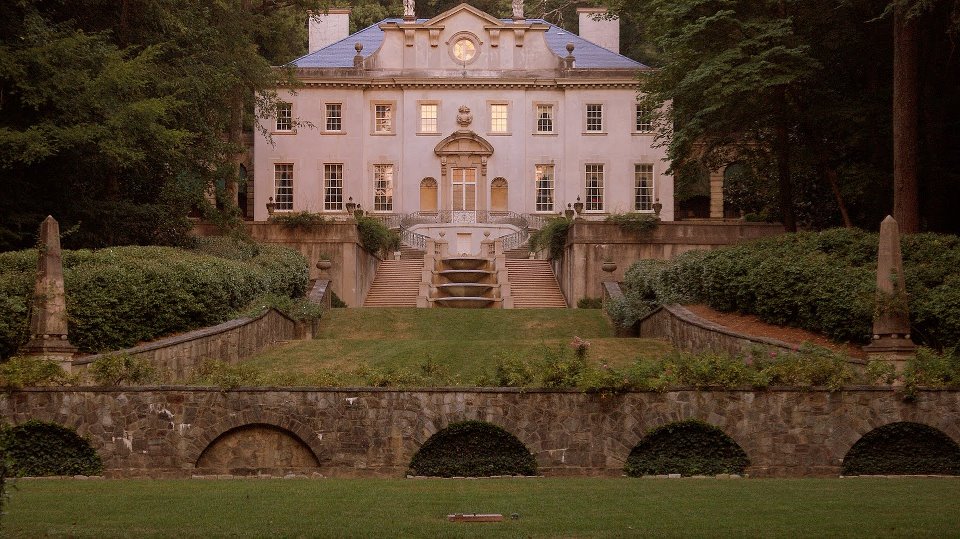
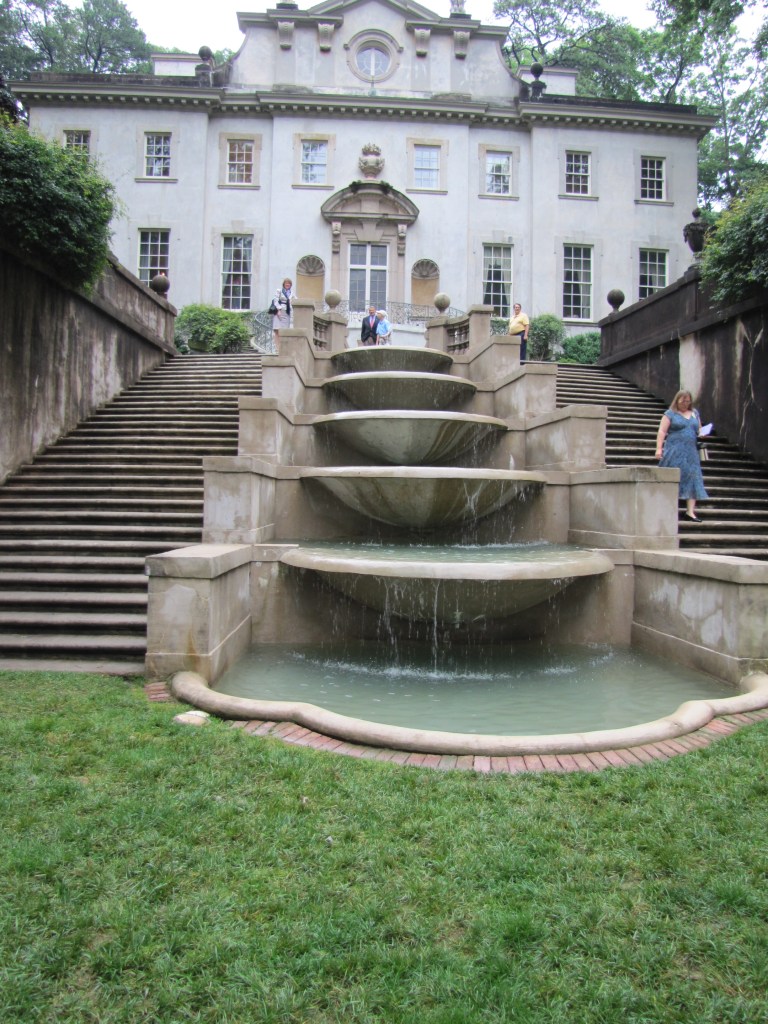
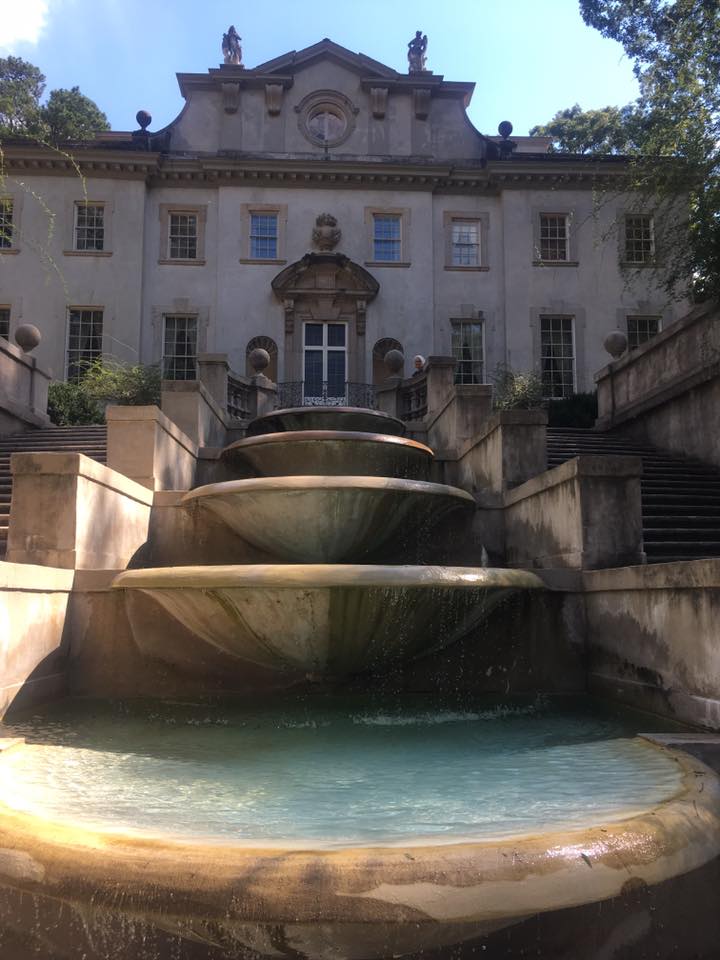
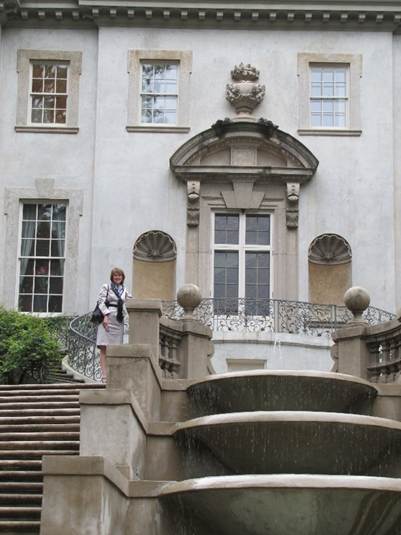
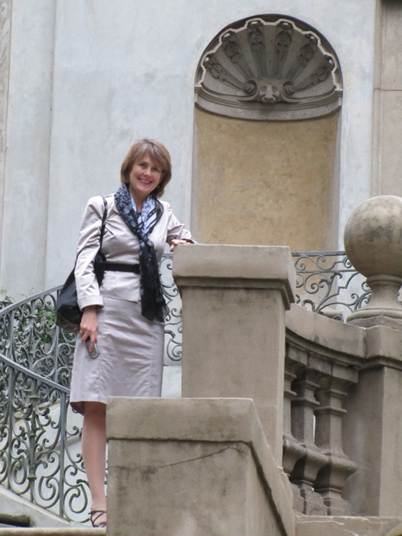
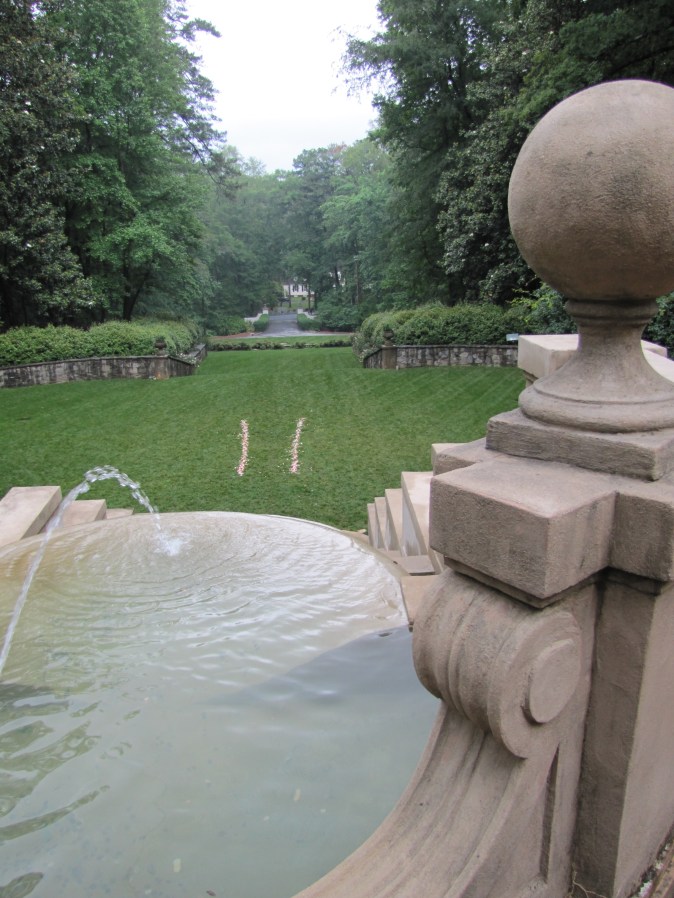
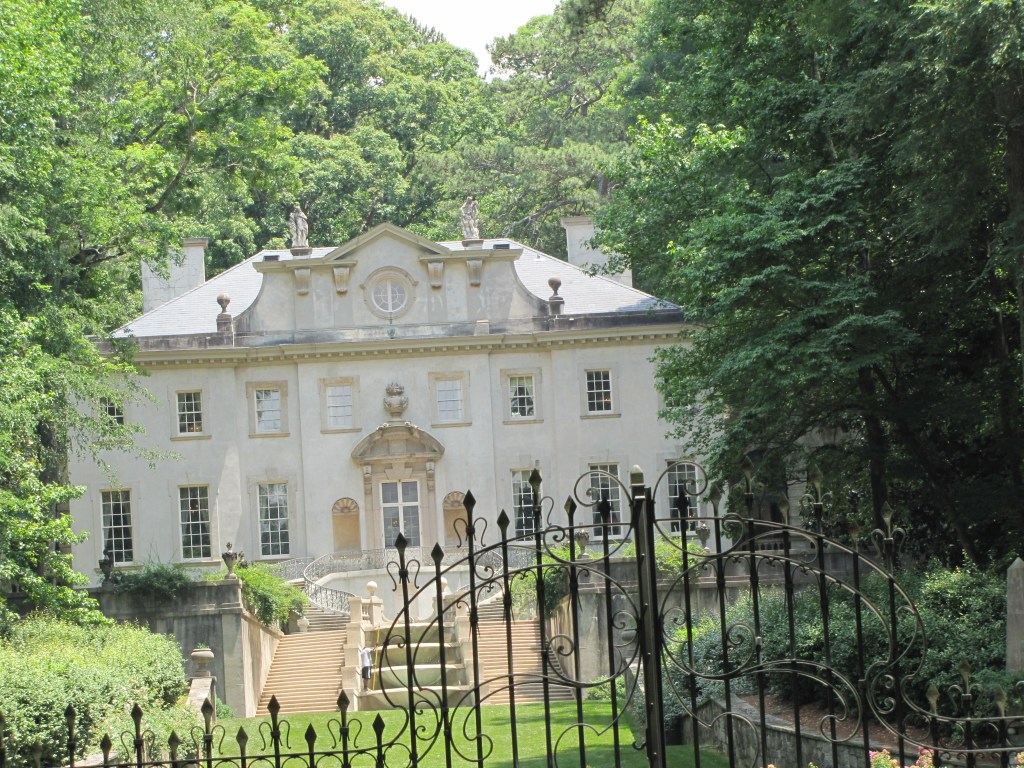
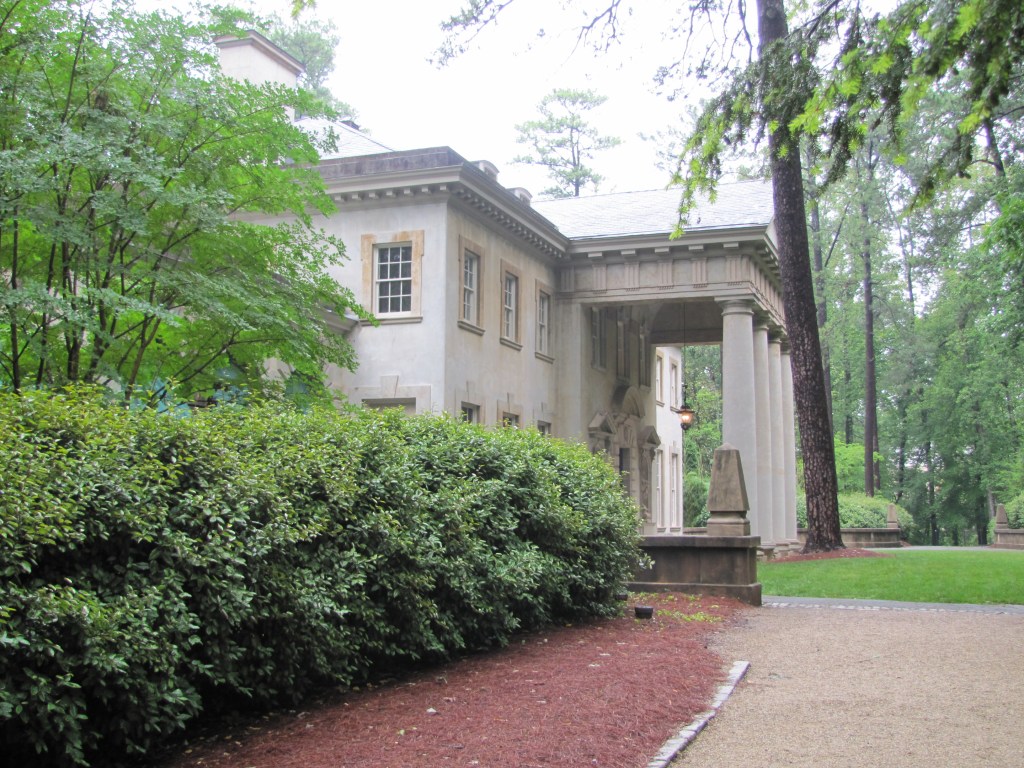
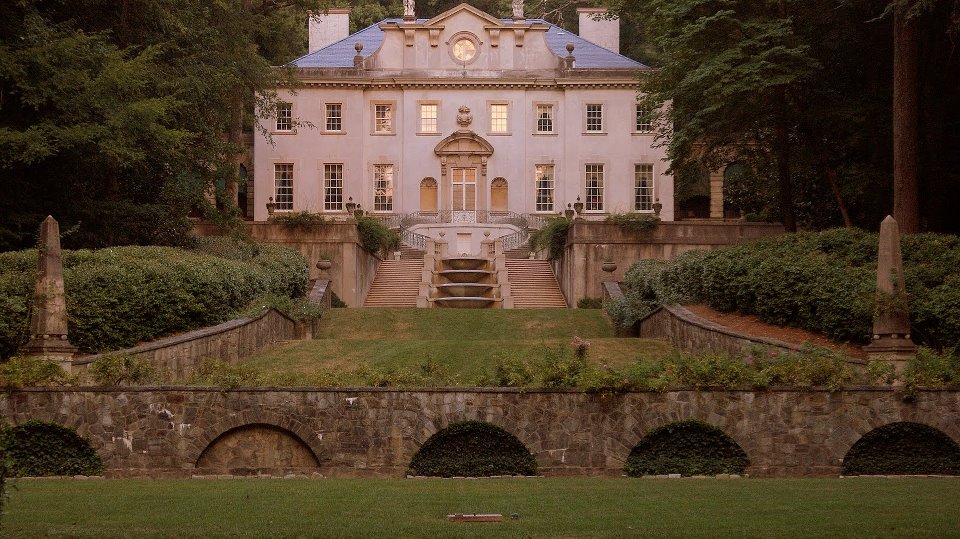
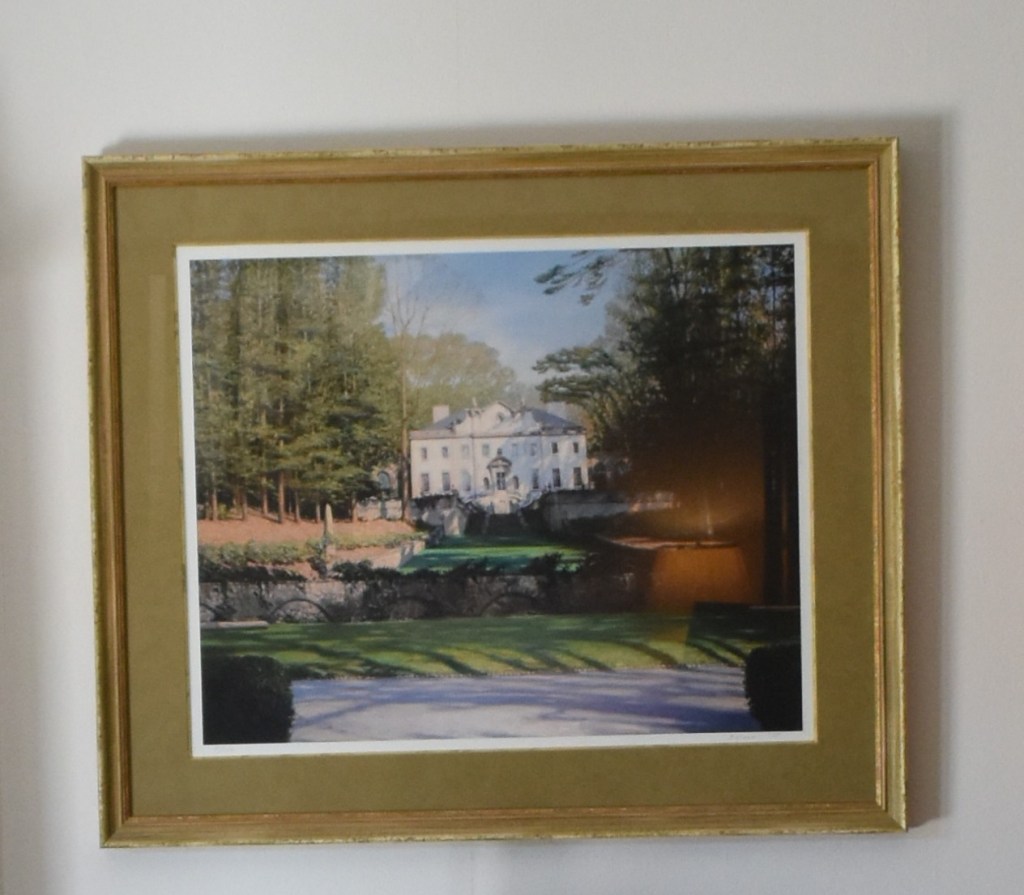
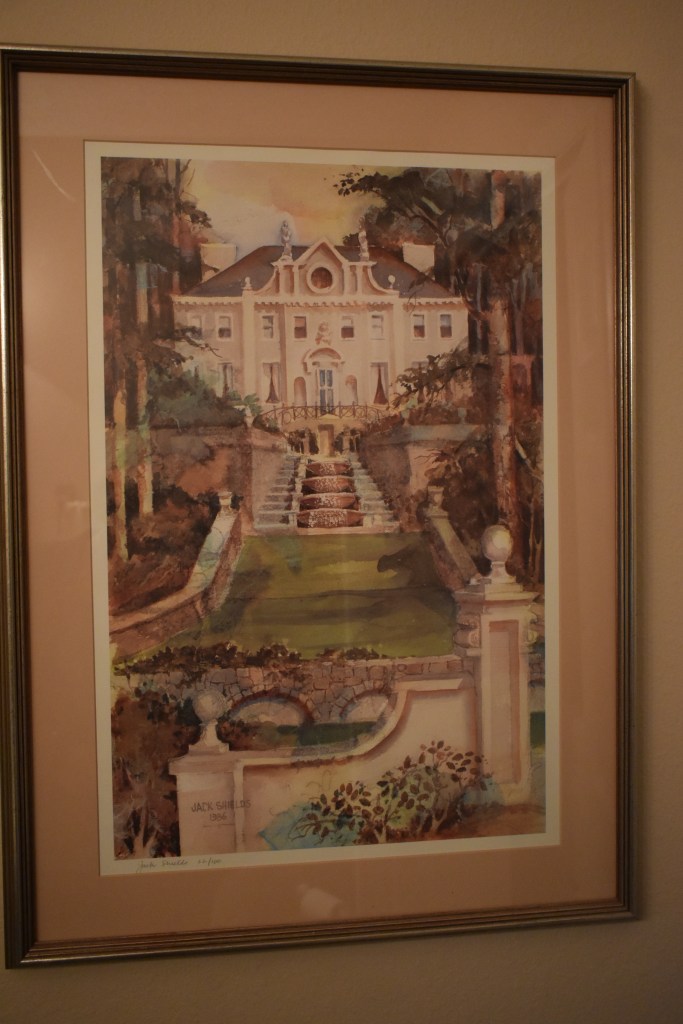
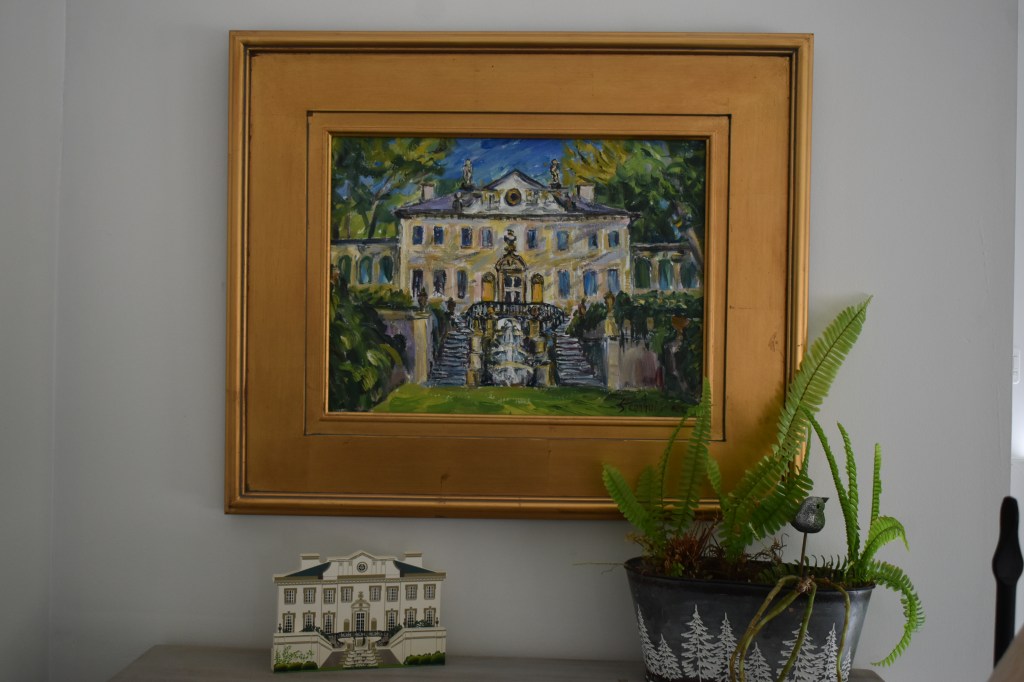
I am fortunate to own several beautiful paintings of the real Swan House.
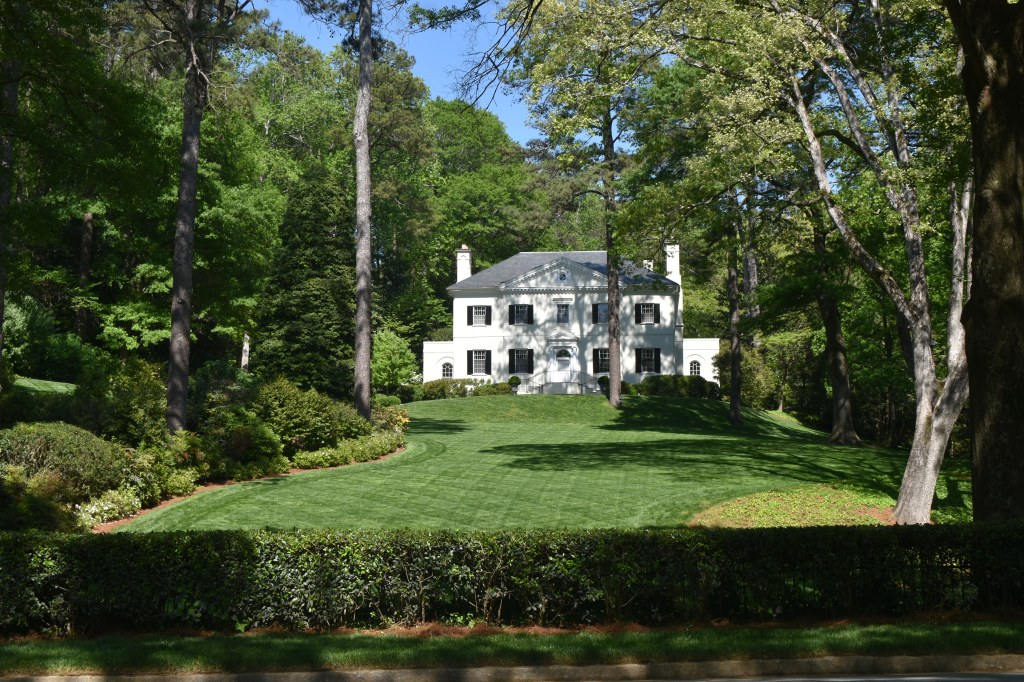
And here’s the house that was the inspiration for the Middleton home in the novel. It really is next door to the Swan House.

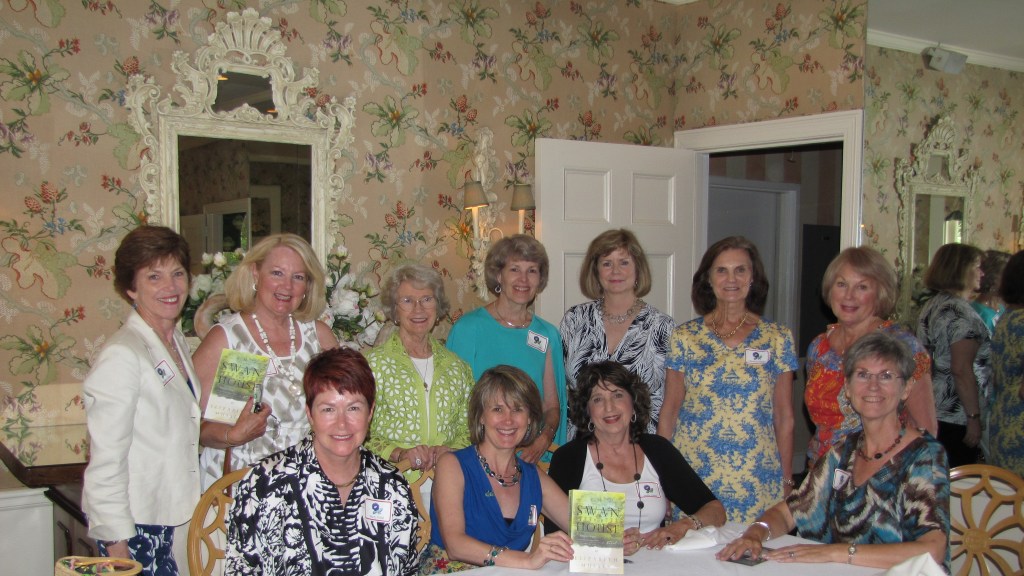
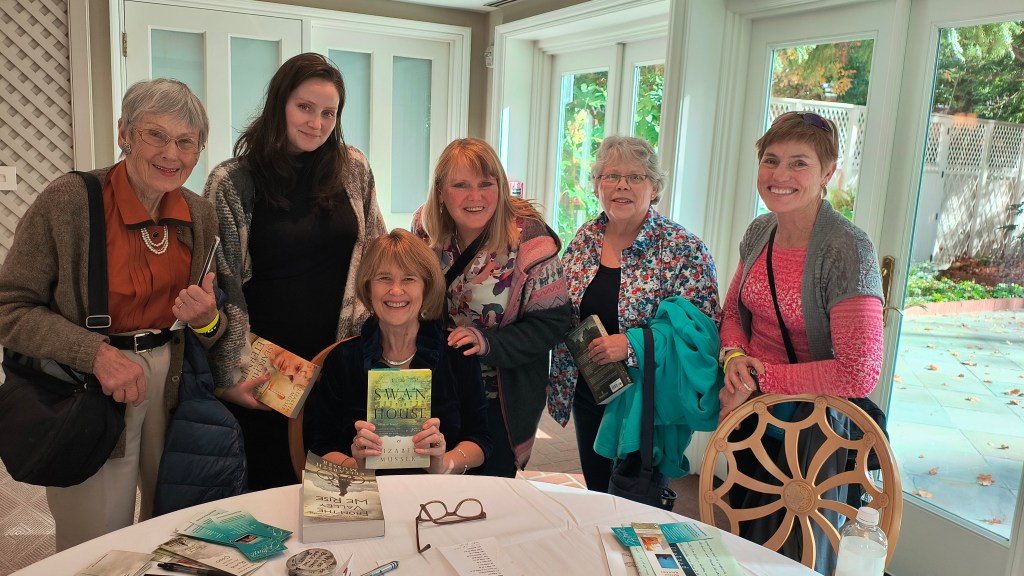
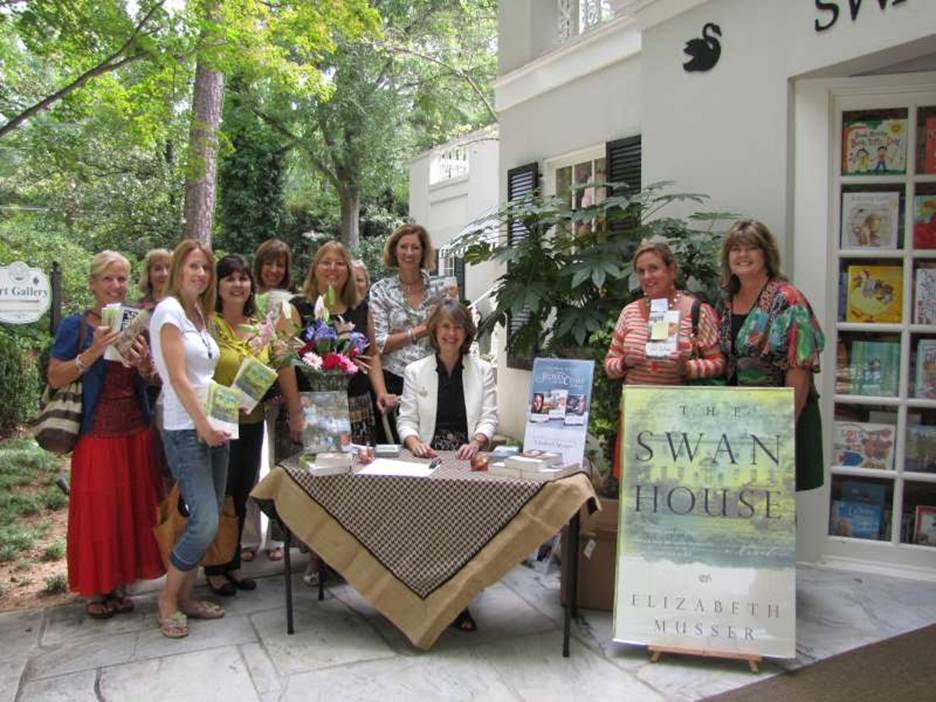
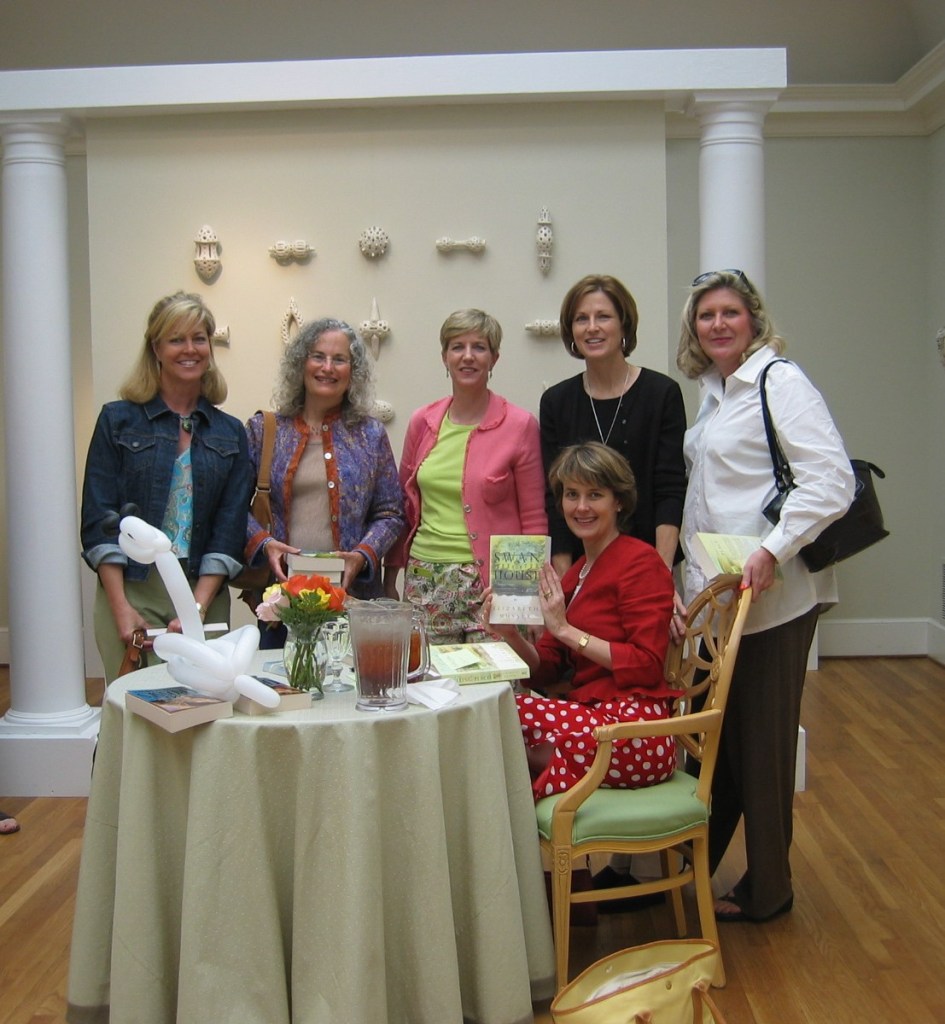
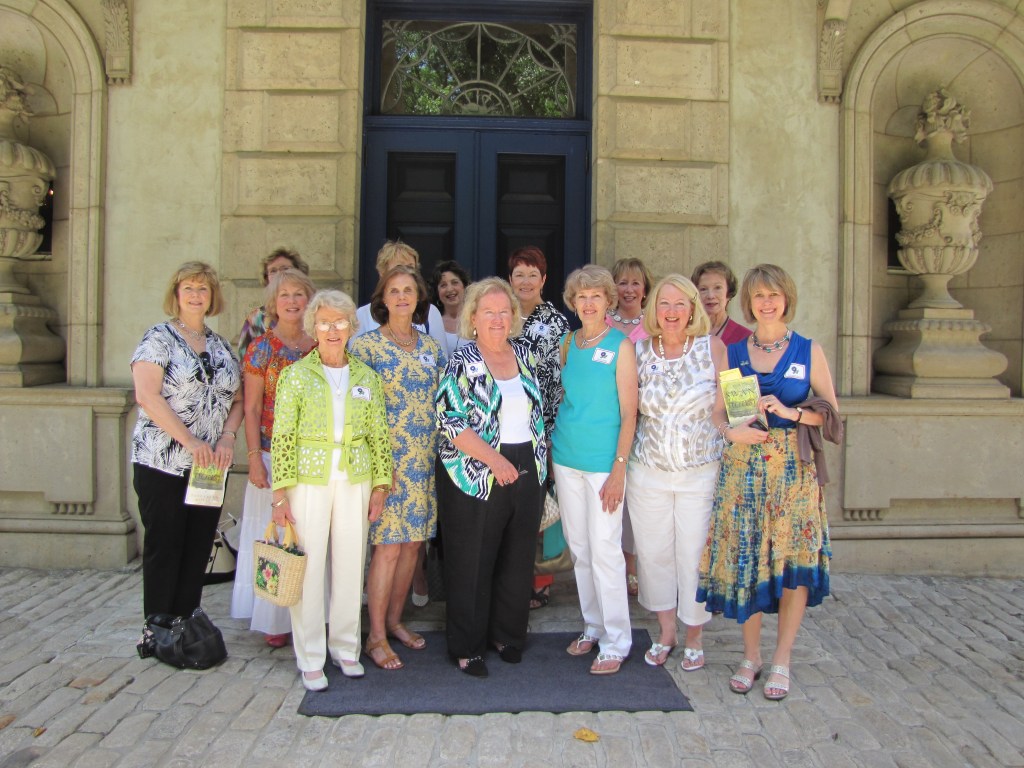
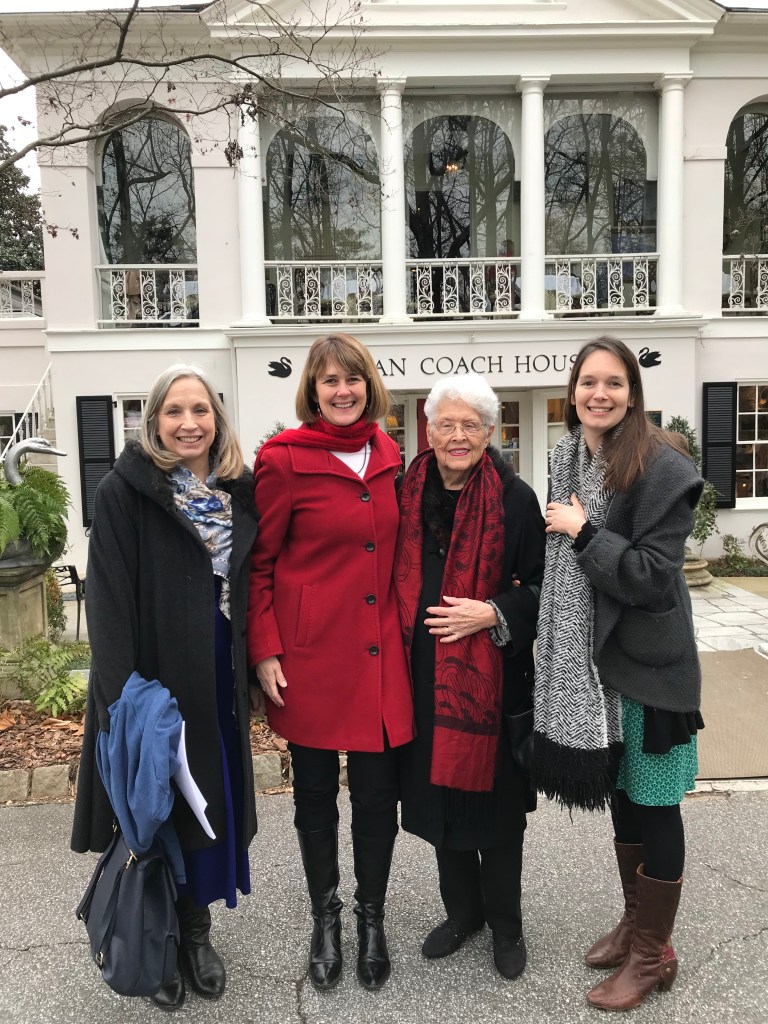
Over the years, I’ve been privileged to speak to countless book clubs at The Swan Coach House Restaurant while the readers (and myself) enjoyed a delicious luncheon. Many book clubs come for lunch and then take a tour of the Swan House, which is part of the Atlanta History Center.
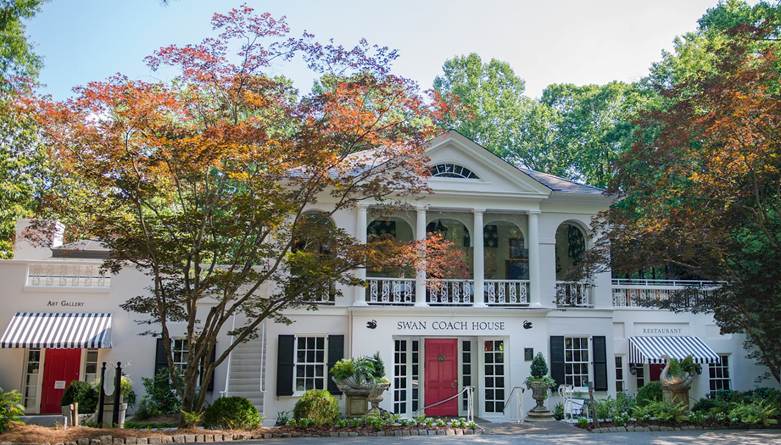
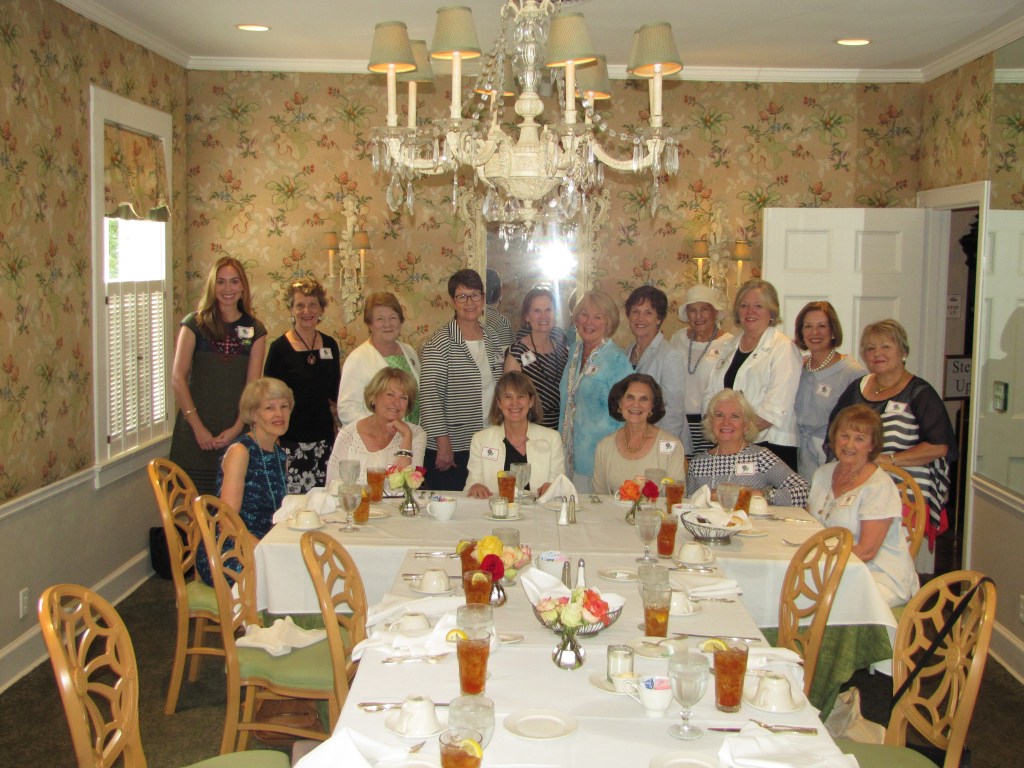
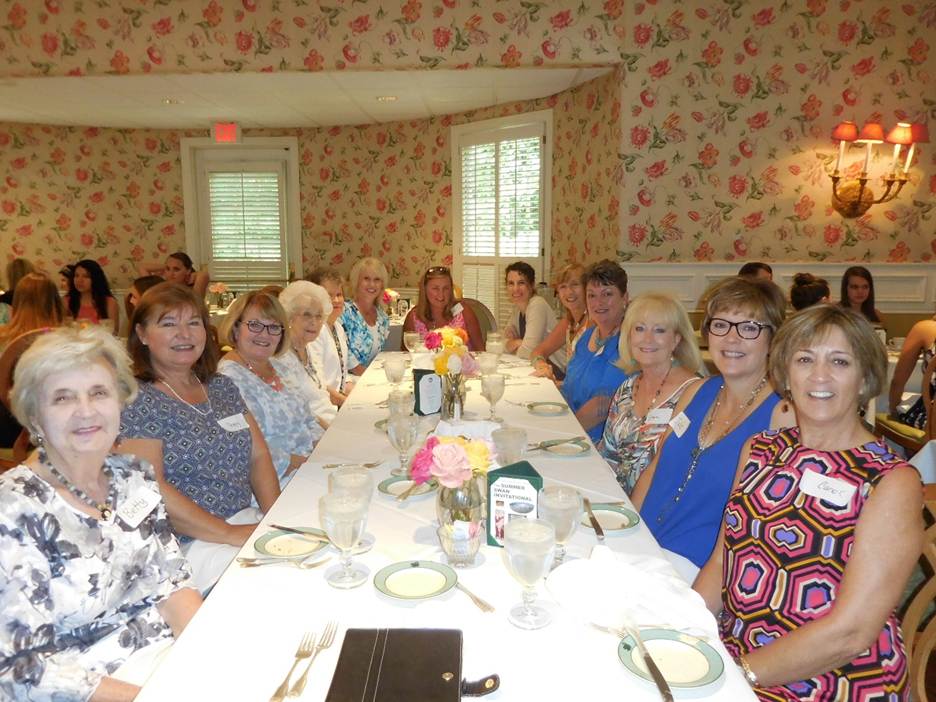
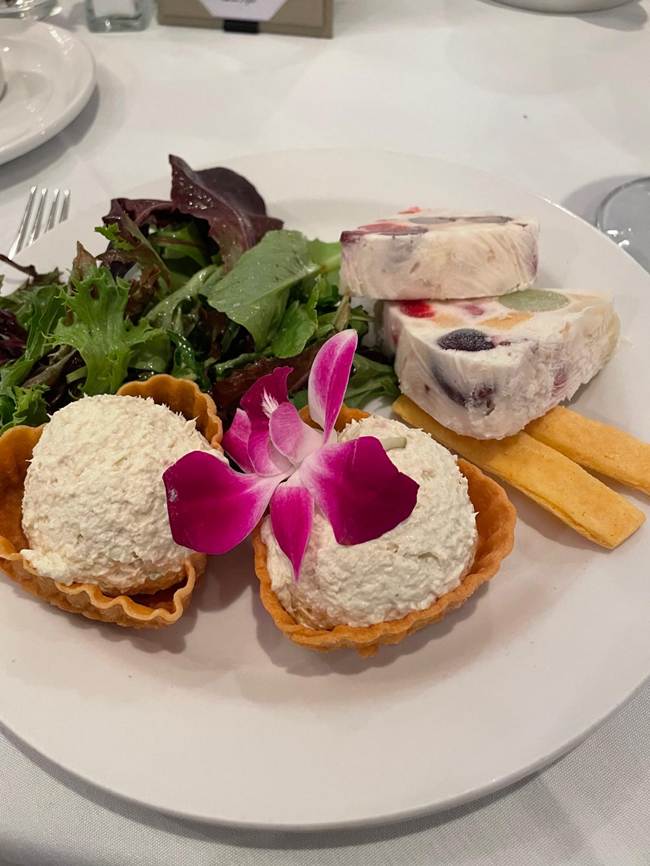
Fun fact: I was a waitress at The Swan Coach House during the summer after my Freshman year in college. Here’s part of a scene near the end of Chapter 1 in The Dwelling Place, the sequel to The Swan House, which describes (with no embellishment) the true and humiliating event that happened to me on my first day as a waitress there.
Mary Swan’s daughter, Ellie, is speaking:
“My first day on the job, I spilled six strawberry daiquiris! It’s a wonder they kept me.”
I could still see myself, awkward in my new polyester uniform, bending too far over the table, desperately trying to balance the tray of iced drinks in my left hand. Suddenly the frosted glasses began slipping, and before I could grab the tray with my right hand, they crashed onto the table and spilled all over the startled guests.
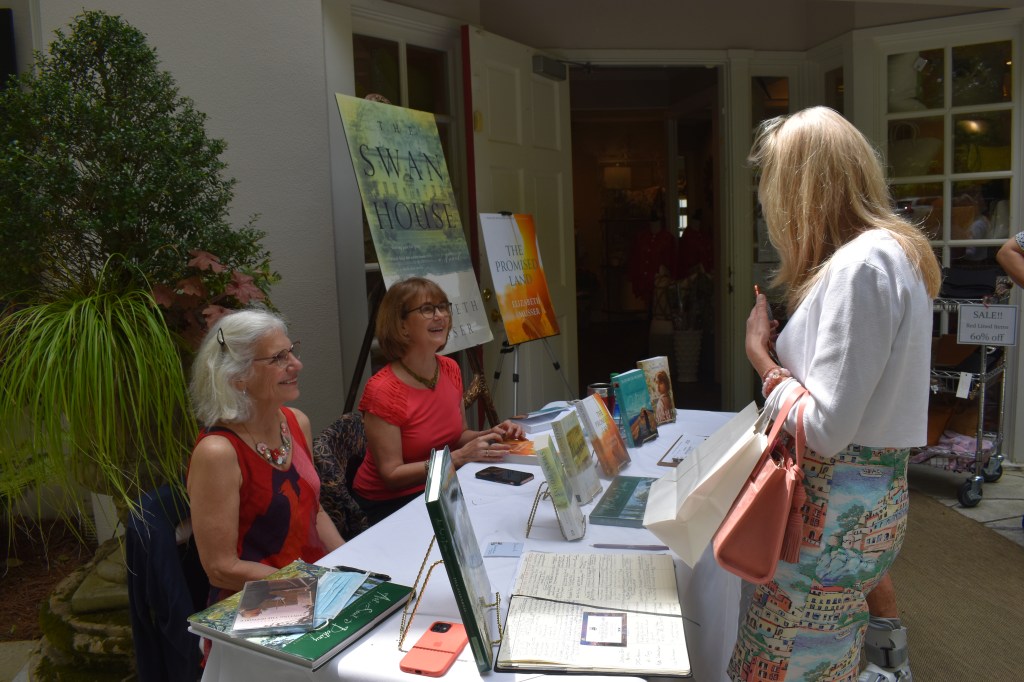
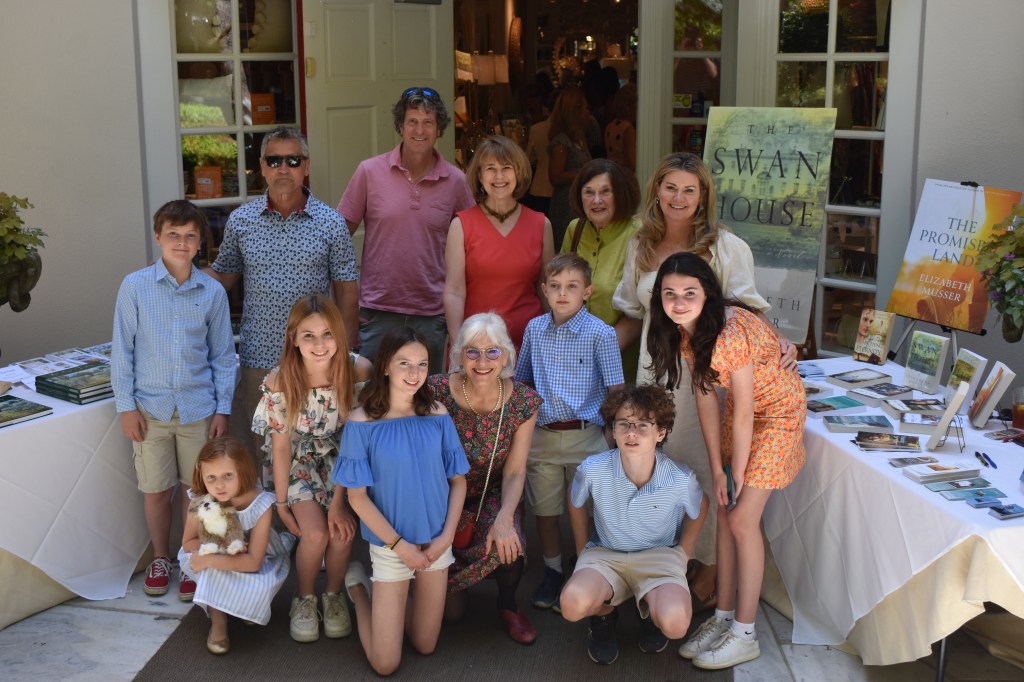
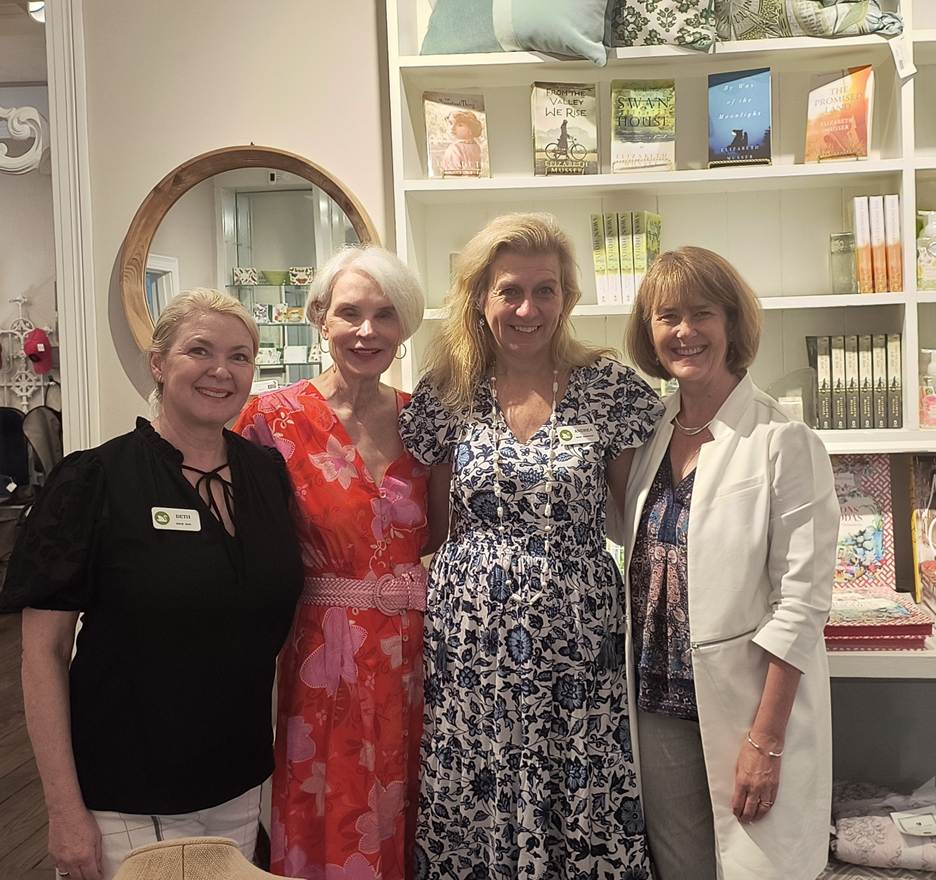
I am so grateful for The Swan Coach House Gift Shop which carries many of my novels and where I often do signings, inside when it’s chilly and outside on warmer days.
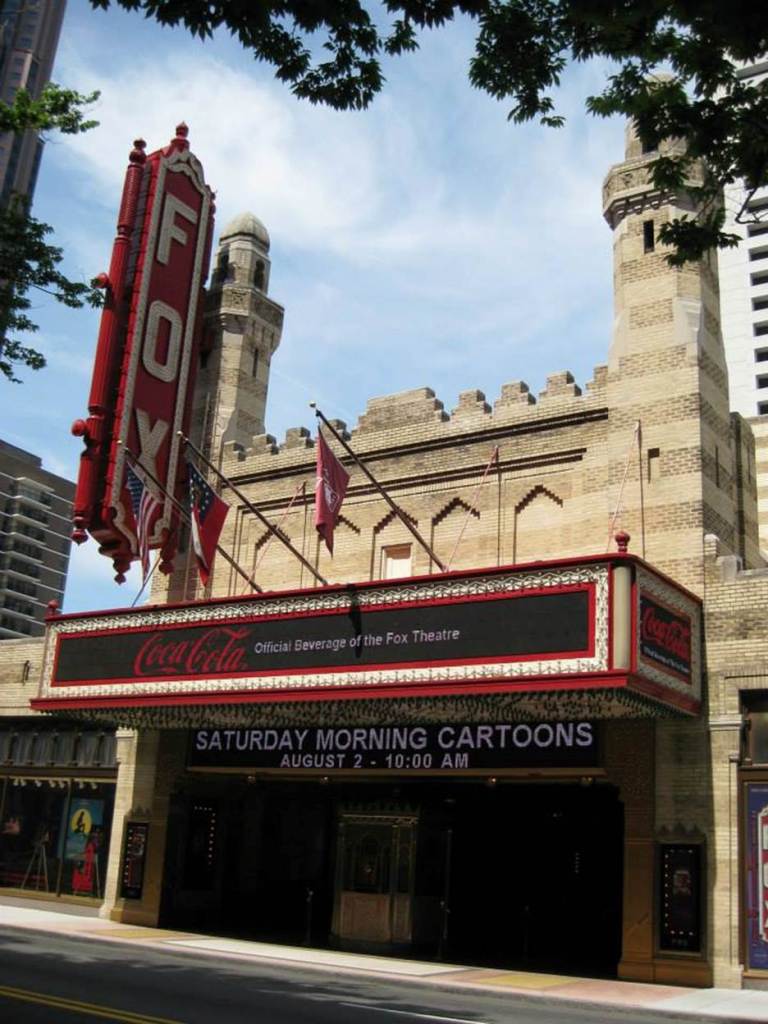
As you read the story, you’ll also be introduced to other historic spots in Atlanta like The Fox Theater…
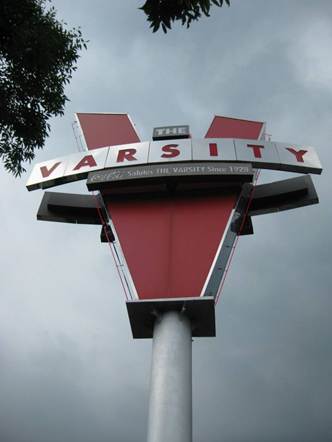
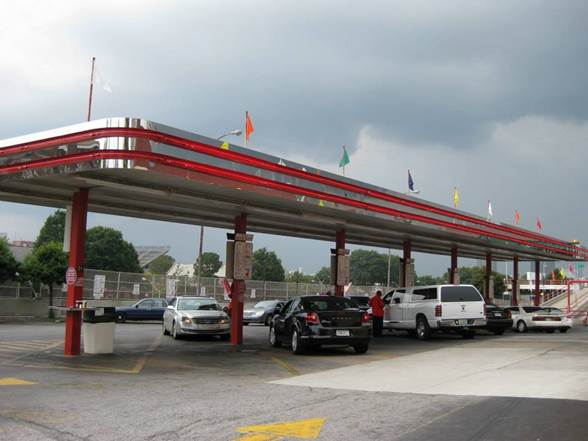
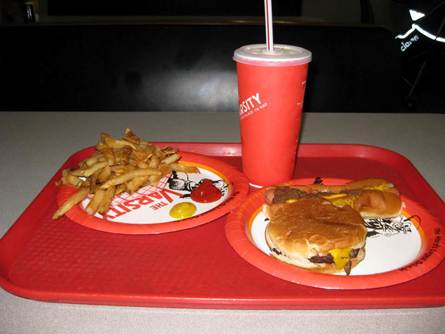
The One and Only Varsity…
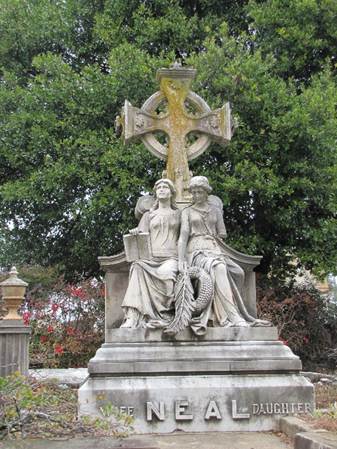
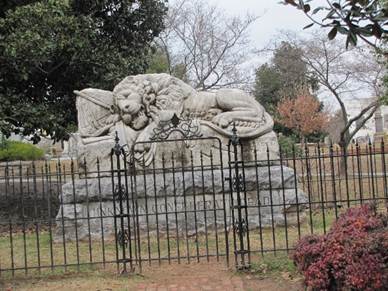
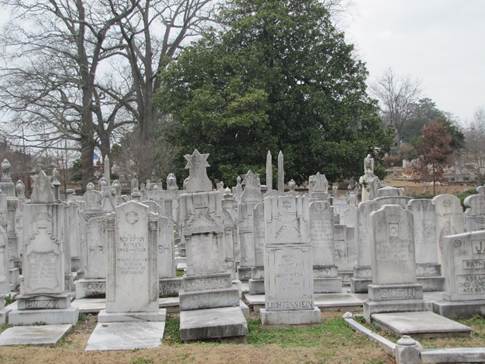
…and Oakland Cemetery
Join Mary Swan and Rachel as they listen to Jean Pierre Rampal playing Handel Sonata in B Minor, Opus 1, number 9, Vivace here and Largo here .
Because of the extended Author’s Note and FAQs in the new edition, I needed to trim a few scenes in the novel. You can find those scenes in their entirety right here:
From Chapter 3-I shortened the article from Newsweek.
Our LIFE magazine showed up about two weeks after the crash. On the front cover was this great picture of Natalie Wood, who was kind of like my heroine. She was absolutely gorgeous on the cover, her black hair tousled and windblown, her dark eyes looking up, a wide smile on her face displaying her perfectly straight white teeth. Sometimes I’d fantasize that I might look a tiny bit like Natalie Wood, although there was not one iota of resemblance—she was so stunning and buxom, and I was so plain and flat-chested.
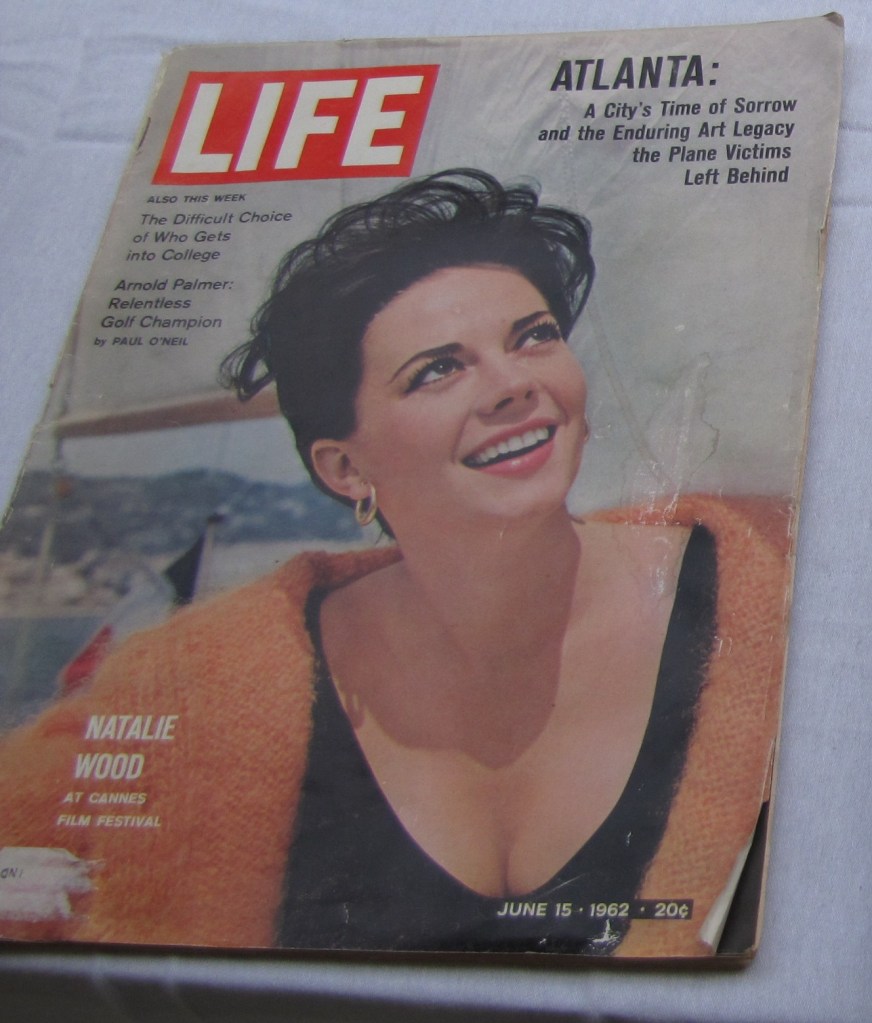
But then I saw the headline in the upper right-hand corner of the cover: “ATLANTA: A City’s Time of Sorrow and the Enduring Art Legacy the Plane Victims Left Behind.” I flipped through the pages until I found the article. There were pictures of the paintings that various victims had donated to the museum, and then a picture of a bunch of mourners kneeling outside the Cathedral of Christ the King for the memorial service held there. They were kneeling outside because there was no more room inside. Another picture showed a roomful of women, members of the Atlanta Junior League, standing with their heads bowed in the ballroom of the Piedmont Driving Club, grieving the loss of thirteen of their members. Mama was one of them.
There were shots of the artwork in some of the victims’ bedrooms and an article about the different artists. There was a picture of a guard standing outside the museum, which was closed out of respect for the dead, with several wreaths of flowers in front of the door. And there was a picture of a self-portrait Mama had been painting, taken right in her studio. I remembered the day the reporters had come, invading our privacy for the benefit of the public.
I read every word about the crash written in LIFE, and when Newsweek came a few days later, I read it too. Maybe it was some kind of masochistic pleasure, but I don’t think so. It was just me, Mary Swan Middleton, trying to make sense of something that could never be explained.
For days after the crash, the whole city of Atlanta seemed to be in mourning. She had lost over a hundred of her most prominent citizens, people whose lives had been spent investing in the culture of Atlanta. The churches were full that Sunday morning on the third of June when the news of the horrible tragedy was announced. The president of the Atlanta Arts Center was a victim along with his wife.
“It is doubtful that any American city ever lost at a single stroke so much of its fineness,” said editor Eugene Patterson of the Atlanta Constitution. Most of the victims were members of the tightly knit cadre of old families which makes up the motive force behind much of this Southern city’s financial and cultural growth. They were the money raisers, the civic project backers, the city leaders who by letting it be known that they favored peaceful desegregation were responsible for Atlanta’s orderly handling of that most difficult problem.
Of the dead, six were board members of the Atlanta Art Association; thirty were members of the Piedmont Driving Club; twenty-one were members of the Capital City Club; thirteen were Junior Leaguers, of which two were former presidents. As editor Jack Spalding of the Atlanta Journal said, “They were all involved in some sort of civic work.”
“These people were of the type the city can ill afford to lose, the type who made Atlanta what it is,” said ex-Mayor Hartsfield. “This is the greatest tragedy to strike Atlanta since the Civil War.”
As the week wore on, messages of sympathy arrived from President Kennedy, de Gaulle, the Pope, and many others. Homes in the Buckhead section were garbed in mourning wreaths, neighbors brought over food, and friends and relatives came to get the clothes and belongings of many of the thirty-one children orphaned by the disaster.
At Orly Field, Mayor Allen grimly inspected the wreckage and the partly burned guidebooks, billfolds, traveler’s checks, souvenir ashtrays, menus, gold slippers, blackened opera glasses, charred cameras, and antique silverware. He picked up a charred vacation brochure (“Your trip will be carefree and unforgettable”), and it crumbled in his hand.
After a trip to the morgue, the gray-haired mayor said wearily, “I had known most of these people since childhood, but I wasn’t able to recognize any of them.” The grim task of identification was left to experts, and Allen returned to Atlanta to comfort the bereaved.
On Friday, the Art Association executive committee decided to raise $1.5 million from donations for the purpose of building a new art school as a memorial to the victims. This, they believed, was much more meaningful than eulogies. Dr. Reginald Poland, director of the Art Association Museum, put it about as simply as one could, “Anything you say would be inadequate.”
That was how the article in Newsweek ended, and that was how it should have. There was nothing else to say, no possible way to express the personal and communal grief that Atlanta was living. I was glad that the rest of America could know it, and yet I didn’t want them to know too much, because, more than anything else, I thought that no one outside of those of us who were living this catastrophe could really understand it. And I didn’t want it trivialized.
If I had been talented like Mama, I would have painted something to show how I felt. But every time I got my sketchbook out, all I could do was scribble horrible black lines all over the page. And day by day, I fell into a darker mood and a cycle of not eating and crying and sleeping and sitting on my bed just staring out the window.
From Chapter 19
On Thanksgiving Day we all went to Grandmom and Granddad Middleton’s house for dinner. Their house was on Habersham Road, only a five-minute car ride away. We liked their house because it had a big basement that they’d transformed into a game room. It had a pool table and a ping-pong table, and along one wall there were shelves behind glass that were filled with all of Granddad’s trophies from his high school and college days—the days when he’d been a sports hero. Sometimes after a meal, Jimmy and I would escape to the game room and admire the trophies while the adults sipped their after-dinner drinks.
Tradition stood strong on Thanksgiving Day. On Christmas and Easter and the Fourth of July, the Middleton clan sometimes split up to be with their respective spouses’ families. But not on Thanksgiving. That was the day when every Middleton was expected to be present, from the oldest to the youngest. This year, with Mama gone and Daddy’s youngest sister just having had her third baby, the number went unchanged from last year, and that number was twenty-eight immediate family members. Grandmom didn’t mind a bit if other families showed up to join in the fun, as long as she had all her children and grandchildren around. Sometimes, Mama’s parents came up from Griffin to join us.
The house was already brimming with children, teens, and adults when Mamie and Papy arrived. I could tell that Mamie had been drinking. She leaned heavily into Papy, and when she kissed me on the cheeks, I could smell the alcohol on her breath. Her bright red lipstick was smeared on, and her eyes looked bright and glassy. Papy supported her under the arm.
“Ma chère Marie Cygne.” She always broke into French when she’d been drinking and started calling me the French equivalent of Mary Swan. “Pourquoi n’es-tu pas venue me voir?”
Her words stung me. Why hadn’t I been to Griffin to visit this fall? Mama had been their only child. That big plantation must have seemed terribly lonely since Mama’s death.
“We’ll be coming for Christmas, Evelyne,” Daddy said, rescuing me and giving his mother-in-law the necessary kiss on each cheek. “Ian, so good to see you. Come on in. I believe you remember my sister, Lisa, and her husband, Jeff.”
And so I escaped into the kitchen. It wasn’t my usual spot on Thanksgiving Day. Normally I played chase with my younger cousins and then went out by the pool and talked with the older ones. We grandchildren ranged in age from Jackie, who at twenty was in her junior year at Hollins, to baby Eddie, who was just sitting up at six months. Eddie was actually Franklin Edward Middleton VI, named after Daddy’s oldest brother, who was named after Granddad who was named after my great-granddad. Somehow there had been six of them. This new baby had been dubbed Eddie. In that way, when Grandmom spoke of Frank or Frankie or Franklin, only three men would qualify, making things a little less confusing.
I really didn’t see my cousins very often, maybe two or three times a year, and I never felt any tight bonds with them. Still we managed to have fun at the family get-togethers. It was Jackie who had given me my first cigarette to smoke, years ago behind the changing rooms at Grandmom’s swimming pool. But today I didn’t feel like chasing toddlers or chatting with the teenagers.
“Mary Swan, go on out with everyone, honey,” Grandmom said as I tried to find something to do in the kitchen.
I pretended I didn’t hear her, and she didn’t insist. I needed the shelter of the warm kitchen with the delicious aromas of baking turkey and biscuits and apple cake engulfing me and protecting me from the reality around, the reality that everyone was present except Mama. I was thankful for my experience at Grant Park too. Somehow having spent so many hours in the kitchen in the basement of Mt. Carmel made me feel more comfortable in Grandmom’s kitchen. That Thanksgiving Day, I found real pleasure in helping Grandmom, the master hostess, arrange the food on her dining room table. The china and silver and white linen napkins were stacked at one end of the table. The crystal glasses and the ice water and tea in their silver pitchers and the wine in its crystal decanter were all set on the long cherry sideboard.
I began to carry out the food. As with every Thanksgiving, each family brought some Southern specialty to add to the feast. Soon the table was laden with the turkey, the stuffing, the mashed potatoes and gravy, the cranberry sauce, the delicious pâté that Mamie always brought, fresh from her farm, the artichoke hearts, the blueberry muffins, the sweet potatoes with the marshmallows melted on top, the green bean casserole, the fresh turnip greens, Grandmom’s homemade rolls that Jimmy loved, and my personal favorite, her corn soufflé. When it was all in place and piping hot, we stood around the table, all forty-two of us, and held hands while Granddad asked the blessing.
By the time the pies—pumpkin, chess, and apple—were laid out, we were all recovering in various corners of the vast house. Uncle Tim, completely drunk, had launched into the same story he told every Thanksgiving, and the house was filled with merry chatter. The day was bright and chilly, and from the windows of Grandmom’s living room, I could see some of the cousins playing in the yard with Muffin, who loved to join us at my grandparents’ house. The red mutt, who was mostly hunting dog, ran in wild circles around the children, his rust-colored fur blending nicely with the fallen leaves. Several girls chased him, squealing, while Jimmy tossed a football with two boys around his age.
I made polite conversation until I found my chance to kiss both sets of grandparents goodbye, slip outside, and walk from Habersham Road to Andrews Drive, admiring the stately homes all along the way that I knew so well. Once at my house, I went upstairs to the atelier and closed the door firmly behind me. I stood before my easel, looking out the windows, and I painted. My stomach was full and I felt sleepy, so my strokes were not crisp like the autumn air, but lethargic, slow, as if I was clumsily trying to thread a needle with my paintbrush. But I kept painting because over the past weeks, experience had proved that just the discipline of making myself paint was invaluable. And today I was concentrating on a very small part of the canvas, a figure in the background, barely seen, fuzzy like my mood, the figure of a black boy kneeling in a field.
There were few things that brought the city of Atlanta to its feet in those days like the football rivalry between Georgia Tech and the University of Georgia. The Georgia Tech vs. Georgia football game on the Saturday after Thanksgiving was as much of a tradition as Thanksgiving itself. This year it took place in nearby Athens, at the University of Georgia’s Sanford Stadium. Granddad had eight tickets, so I’d invited Robbie, and Jimmy had invited Andy, and Daddy had, unfortunately, invited Amanda Hunnicutt.
By the time we got to our seats, the crowd of students for both teams had already had a lot to drink and were bellowing out their rival school songs. Being on Bulldog territory, Tech fans were by far outnumbered. But our minority crowd sang with as much gusto as the Georgia Bulldogs: “I’m a Ramblin’ Wreck from Georgia Tech!”
And from the Georgia camp came their song to the tune of “The Battle Hymn of the Republic”: “Glory, glory to ole Georgia!”
Of course in our family, with Granddad having played for Tech’s illustrious football team, we’d heard a hundred stories of the rivalry and especially the one about when Granddad was the hero of the game. But since Robbie didn’t know the story, Granddad launched into it again.
“The game was being played on Georgia Tech’s Grant Field. It had snowed at the beginning, and a freezing drizzle settled in for the rest of the game. But the loyal fans stayed. Georgia had a strong team that year, and Tech had a few star rookies but lacked experience.”
“Granddad was one of the star rookies,” Jimmy added.
“Well, now, Georgia jumped to a fourteen-zero lead. Tech got two field goals, making it fourteen to six.”
“It was Granddad who kicked the field goals!” Jimmy persisted.
“Georgia scored again but missed the extra point. At halftime it was twenty to six. We got quite a talking-to by our coach at halftime.”
“Tell them who your coach was, Granddad.” That was Jimmy again.
“Robbie, our coach was none other than John W. Heisman. You ever heard of him?”
“Sure, Mr. Middleton. He’s the man the Heisman Trophy is named after.”
“Exactly. Well, he coached at Tech, boy. And he coached hard. Cut our water allowance during the week before the game and had us eating lots of meat, eating it nearly raw. Anyway, in the third quarter, we rallied with a touchdown and made it twenty to thirteen.”
“Excuse me, sir? Did you score the touchdown?”
“Well, yes, I did, son. I did score that one. And we managed to hold Georgia on their next two possessions. But with three minutes left, we were still down by seven points.”
Jimmy could not contain his enthusiasm. “Then Granddad came in as end, and the quarterback hid the ball on his hip and faked to the tailback. In the meantime, Granddad was streaking down the field, wide open, and the quarterback lofted a pass to him and it sailed into Granddad’s hands and he scored!”
Granddad looked more than content. “Of course, with the extra point, that made the score twenty to twenty. Only a minute and a half left. Georgia fumbled the ball and Tech recovered it. Got it down to the thirty-five. It was fourth down . . .”
“And in came Granddad. You guessed it! He kicked the goal and scored. All the Tech fans started flooding onto the field while there was still fifteen seconds on the clock!”
Robbie, always polite, had followed the whole story with seeming interest. “That’s really impressive, Mr. Middleton!” he commented enthusiastically. And with the ritual of Granddad’s moment of glory behind us, we settled in to watch this game, which in the end proved no less exciting.
All of the fans were already in a frenzy of expectation because the week before, Tech had upset Alabama, and Georgia had upset Auburn. They were hoping for something even more explosive in this game. Tech kicked off. Bobby Dodd was the coach, and Billy Lothridge from Gainesville was the quarterback. He scored the first touchdown, and everyone started chanting, “Mr. Cool, Mr. Everything!”
I was huddled as close as possible to Robbie, covered by blankets and protected from the wet seat by a cushion. Our only problem was the drunken man sitting behind me would cuss and stomp when Tech made a bad play, and half of his bottle of bourbon had splashed onto me. But Robbie and I just laughed and laughed, and Jimmy and Andy ate hot dogs, and Daddy and Amanda screamed their hearts out. And Granddad let loose a string of curse words when Georgia scored first, and Grandmom just laughed and said, “Frank! Please calm down!” and the men sipped their flasks of whiskey and kept warm that way.
Until the second half. By that time, the Tech fan behind us had drunk himself into oblivion. He stopped one of the young black boys who was coming down the concrete stairs with a tray full of peanuts around his neck. “Whatcha selling, black boy?”
I turned around immediately and glared at the man, but he didn’t notice.
The boy looked nervous. “Peanuts, sir.”
“Well, go on. Give me a bag.” He thrust out a fat red hand.
“Yessir. Heah ya go. That’ll be fifteen cents, sir.”
“Fifteen cents! That’s highway robbery. I ain’t givin’ you no fifteen cents.”
Fear sprang into the boy’s eyes. “Well, sir, that’s the price.”
The big drunk man stood up and towered over the boy. “I told ya, boy, I ain’t got no fifteen cents for peanuts.”
By then everyone around the man had stopped watching the game and was staring at the scene going on around them.
“Robbie, make him quit!” I whispered. “He’s awful. He’s gonna hurt that kid.”
But before Robbie or Daddy or anyone else could do a thing, the drunk man grabbed the boy by his jacket and shook him hard, so hard that bags of peanuts tumbled off his tray.
Granddad stood up then. “That’s enough, mister. You’d best be going.” I guess the fact that Granddad was every bit as big as the drunken man, combined with the eyes of a dozen people on him, made him reconsider. With a killing look, the man grabbed his flask and his blanket and left the stadium. The boy had laid down his tray on the steps and was frantically trying to salvage a few bags of peanuts off the ground.
Granddad motioned to him. “Come here, boy.” He handed him several dollars and said, “Don’t you worry about it, ya hear? Everything is going to be okay.”
The boy muttered a “Thank ya, sir,” and continued down the steps, calling out, a little less enthusiastically, “Peanuts! Get yore peanuts heah. Fifteen cents.”
Tech won the game easily, thirty-seven to six, and by the time we left Sanford Stadium all of us were hoarse from screaming, chilled to the bone but good-humored. But, of course, I couldn’t wipe out the image of the boy selling peanuts. That scene as well as several others kept playing in my mind on the way home. And I remembered something Carl had told me once: “You whites think that handing these guys a wad of bills will help. But it’s not the money. It’s our dignity that matters. It’s not pity we want. It’s equality. It’s not having to cower to another man and keep your mouth shut just because his skin is white and yours is black.”
From Chapter 20-I deleted some of the lengthy Bible verses in the new edition, so I’ve copied the entire scene with those included here.
“I’ve been reading this book”—I indicated a Bible on her desk—“just like you said, and I have questions. Lots of questions.”
Miss Abigail set down a letter she was holding in her hand and leaned back in her chair, an amused expression on her face. “Fire away, Mary Swan.”
“Well, first of all, I don’t think the truth is going to make me free. The truth is just confusing me.”
“What do you mean?”
“All the things I’m finding out about my mother. It’s the truth, but it’s awful. And ugly things about my school, my side of town, like how much prejudice there is not only toward the blacks, but toward Jews too.”
“And what have you read about this in the Bible?”
“Well, I read chapter eight of John’s gospel, like you said.”
“And?”
“And I didn’t get it.”
“No, I see that. Mary Swan, you can make the Bible say what you want. Lots of people twist the meaning to support whatever they believe. So you have to be careful when you read the Scriptures. Ever heard of hermeneutics?”
“Never.”
“Well, it’s a big word that means there’s a way to study Scripture. You can’t just grab a verse and use it to defend something without looking at what was going on in the verses preceding and following it, without looking at the kind of literature it is—poetry or proverbs or history or letters.”
I wrinkled my brow, confused.
“Here, let me give you an example.” She flipped through her Bible until she found what she was looking for. “Look, here it says Judas ‘went and hanged himself.’” Then she turned to another part of the Bible and read, “Go, and do thou likewise.”
I smiled and raised my eyebrows a little. “Okay, I get it.”
“What I’m trying to show you is that you’re taking Jesus’ words about truth and fitting them into your situation. But you need to understand that Jesus was talking about eternal truth. God’s truth. The truth of who He is and who He wants to be in your life—that truth will make you free.”
“Oh,” I said, brightening. “That makes sense. Just the way when you’re studying poetry or literature, you have to be careful not to read too much into what the author said. You have to look at the time the author lived and his culture and that culture’s traditions and morals to understand the book’s message.”
“Exactly.”
“Hmmm. Okay. But I have another question. You’ve had so many bad things happen in your life. It doesn’t seem fair, when all you want is to do God’s work. Why has it turned out that way for you?”
“God’s work is never easy. He tells us we’ll be hurt when we work for Him, that hardships will come our way.”
“Then why do you want to do it?”
“That’s part of the supernatural beauty of the gospel. What Jesus gives us is so much better than all the terrible things that can happen here on earth that you almost consider it a privilege to suffer for Him. The Bible is full of stories of men and women of faith and courage. They didn’t get some great reward here on earth, but they knew they would get one afterward.”
“So what is the reward?”
“Eternal life. Eternity with Jesus. Seated around His throne, singing praises.”
“Oh.” My face fell. “Sounds a little boring. You’re gonna be singing forever and ever? That’s all?”
That made Miss Abigail give a full belly laugh, which pleased me. “Mary Swan Middleton, if your middle name isn’t honest, I don’t know what it is! Heaven is a place of eternal joy. God himself promises no more tears, no more sorrow. Sounds pretty good to me.”
“So you’re saying that all the awful junk that you have to endure down here will be worth it? Is that what you’re saying?”
“Yes. And there’s something else very important you need to know, Mary Swan. All the ‘awful junk,’ as you call it, can either just sit there as awful junk, or it can be used by God to do something good, very good, in our heart.”
“Like what?”
“Like making us more like Jesus. The Bible is clear, Mary Swan. It says we all will suffer, and it says if we seek to live for the Lord, we’ll be persecuted for our faith. But it’s also very clear that God never wastes our pain. And He never leaves us alone.”
Then she closed her eyes and smiled, as if she was seeing Jesus on a throne right then, and she started reciting something from memory. “‘For which cause we faint not; but though our outward man perish, yet the inward man is renewed day by day. For our light affliction, which is but for a moment, worketh for us a far more exceeding and eternal weight of glory. While we look not at the things which are seen, but at the things which are not seen: for the things which are seen are temporal; but the things which are not seen are eternal.’ Second Corinthians, chapter four, verses sixteen through eighteen.”
“That’s beautiful and interesting and hard to understand,” I said, momentarily caught up in her reverence. “I like it.”
“It’s just one of many verses that adorn my bulletin board.” She let her hand sweep through the air, indicating the large bulletin board that hung above her desk. It looked a little bit like her refrigerator—filled with old curling pictures on it, snips of paper with addresses, and lots of little white cards with Bible verses written on them.
I inspected the board more closely and read another verse. “‘Blessed be God, even the Father of our Lord Jesus Christ, the Father of mercies, and the God of all comfort; who comforteth us in all our tribulation, that we may be able to comfort them which are in any trouble, by the comfort wherewith we ourselves are comforted of God. For as the sufferings of Christ abound in us, so our consolation also aboundeth by Christ.’ Second Corinthians chapter one, verses three through five.” I shrugged. “Lots of comfort in that verse, seems like.”
“Yes.” Miss Abigail beamed. “Our suffering will be used by God to help someone else who is suffering. Never wasted, Mary Swan. Just remember, it’s never wasted. And look at that one—James chapter one, verses two through four.”
I read the scribbled words, “‘My brethren, count it all joy when ye fall into diverse temptations; knowing this, that the trying of your faith worketh patience. But let patience have her perfect work, that ye may be perfect and entire, wanting nothing.’”
She opened her eyes, those perfectly plain brown eyes, and leaned forward. “God’s Word is incredibly rich. His Bible provides us with all we need to know to live in this hard, hard world, Mary Swan. The more you get to know the Bible, the more you’ll find what Scripture calls a ‘peace which passeth all understanding.’”
My mind was too full of ideas to answer her right then. Something about the way she was explaining things to me made sense. I was thinking that if I could memorize a bunch of poems for school, it probably would be a cinch to memorize some of those Bible verses. I scanned the bulletin board again. One picture, curling at the corners, showed Carl and Mike and James and Puddin’. Carl was about Jimmy’s age in the photo and Puddin’ only a toddler. My throat went dry, and I felt tears prickling my eyes. There were others photos of this family, school pictures that showed them toothless and grinning. As my eyes traveled across the large bulletin board, I let them suddenly rest on a slip of paper tacked up beside her Bible verses.
I pointed to the paper. “Is this from the Bible?”
She got her sad smile again and said, “No, but it’s one of my favorite poems. A blind missionary wrote it, Amy Carmichael, a woman who knew great suffering, a woman who served God by rescuing Indian girls from temple prostitution.”
I walked over to it and read the faded writing out loud:
“No wound. No scar?
Yet as the Master shall the servant be,
And pierced are the feet that follow Me.
But thine are whole; can he have followed far
Who has no wound, nor scar?”
Tears suddenly filled my eyes. “That is beautiful,” I whispered.
“Yes. Isn’t it?”
“Thank you for taking the time to talk to me, Miss Abigail.”
“My pleasure, Mary Swan. Any time.”
I left her office, deeply moved. This was something so revolutionary to me that my head was reeling. I had tears falling down my cheeks, and instead of hearing “Song of the Chattahoochee” or “Little Orphant Annie” or “The Charge of the Light Brigade” in my mind, all I could hear was one phrase: “Can he have followed far who has no wound, no scar?”


